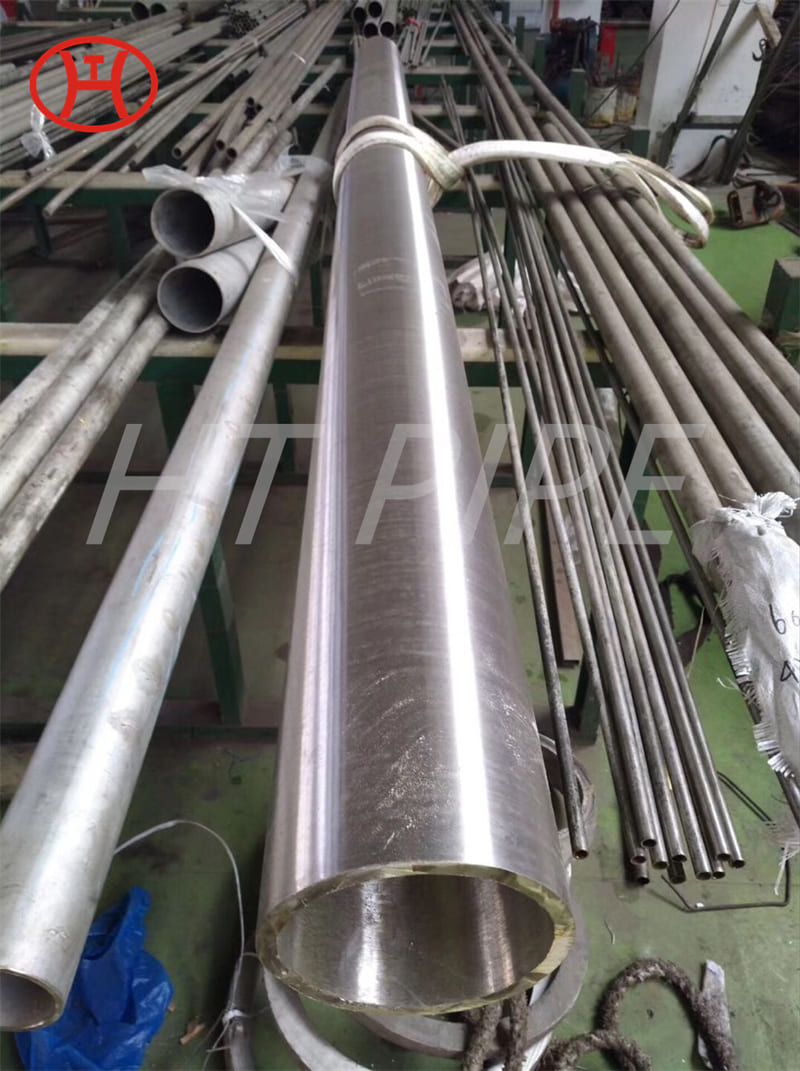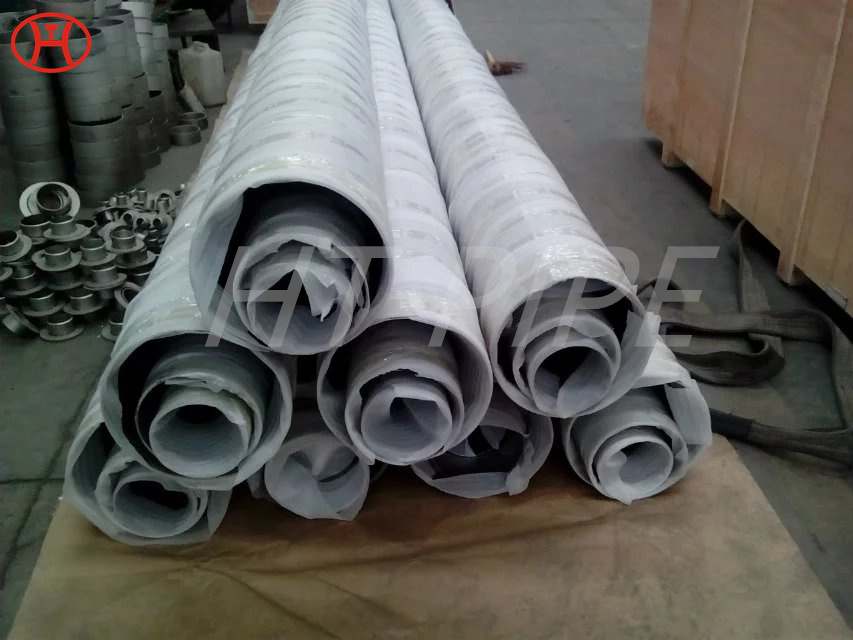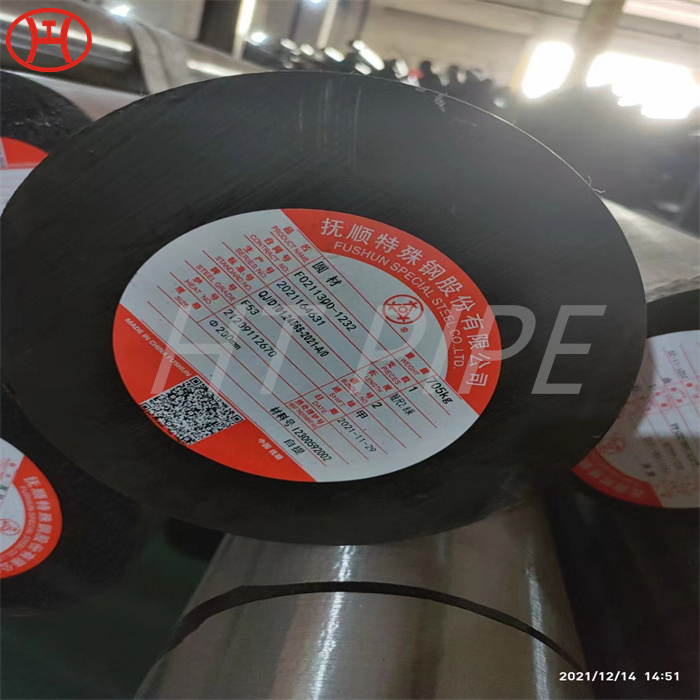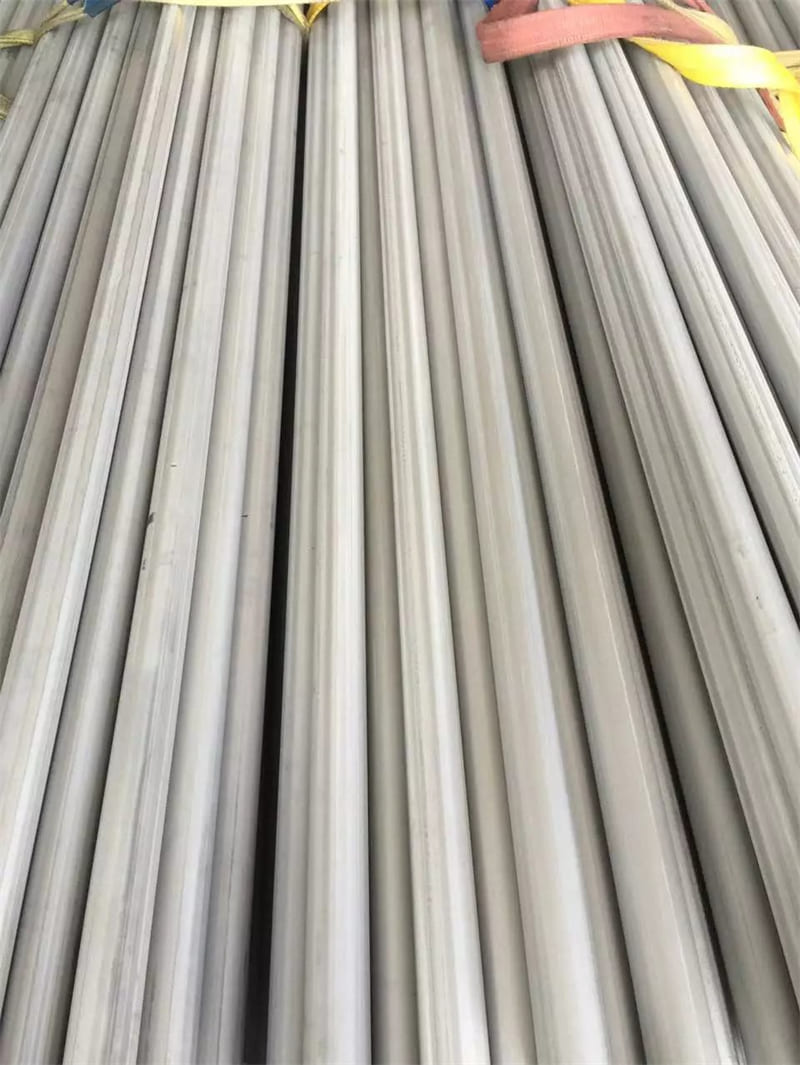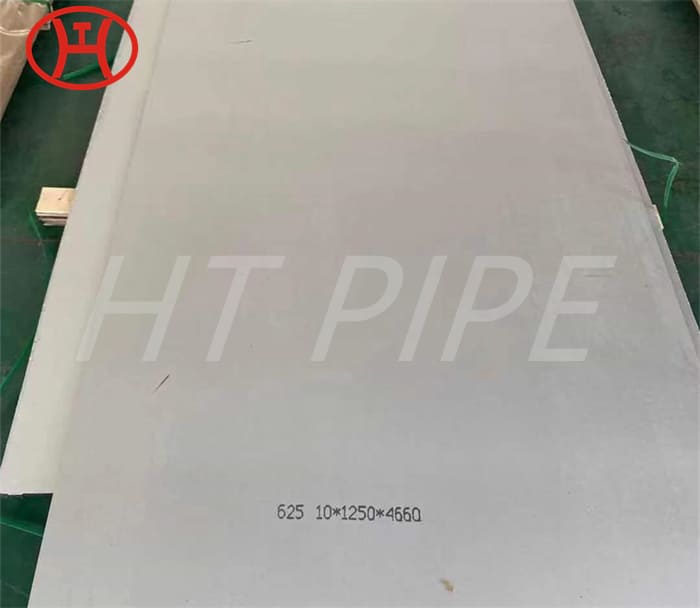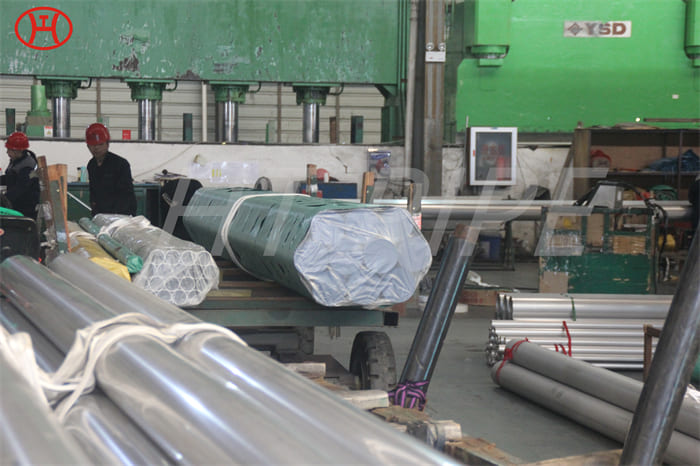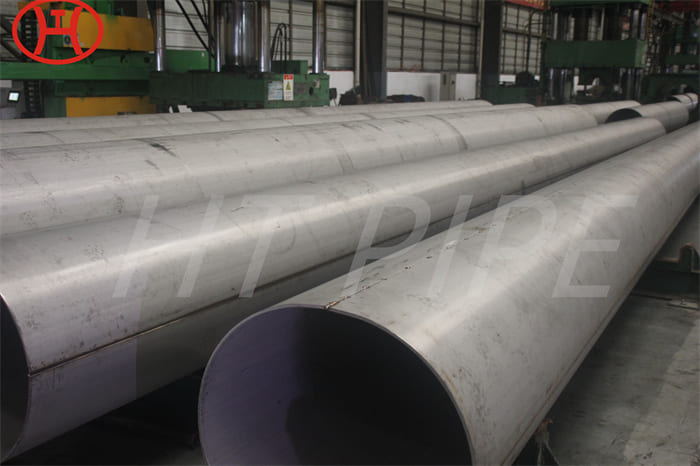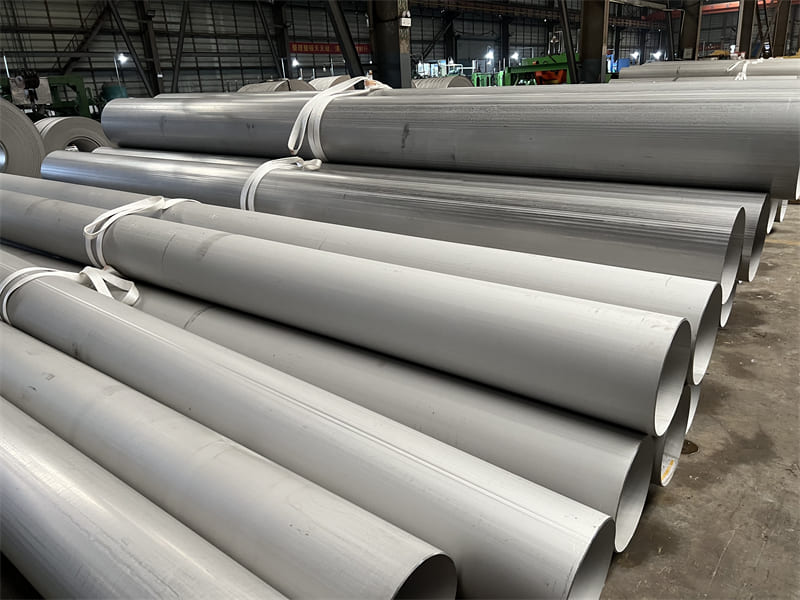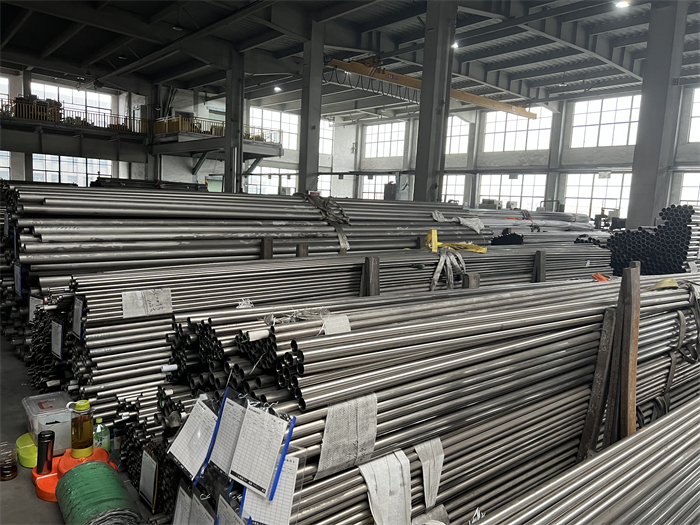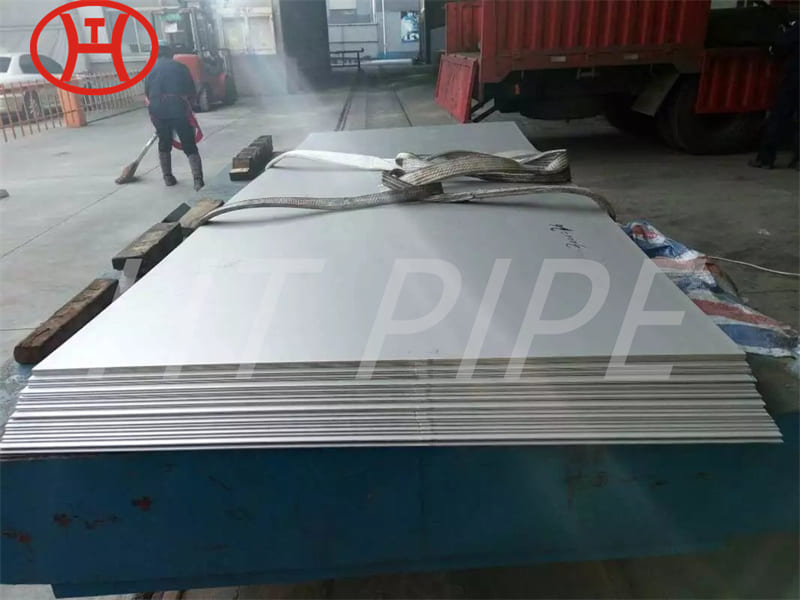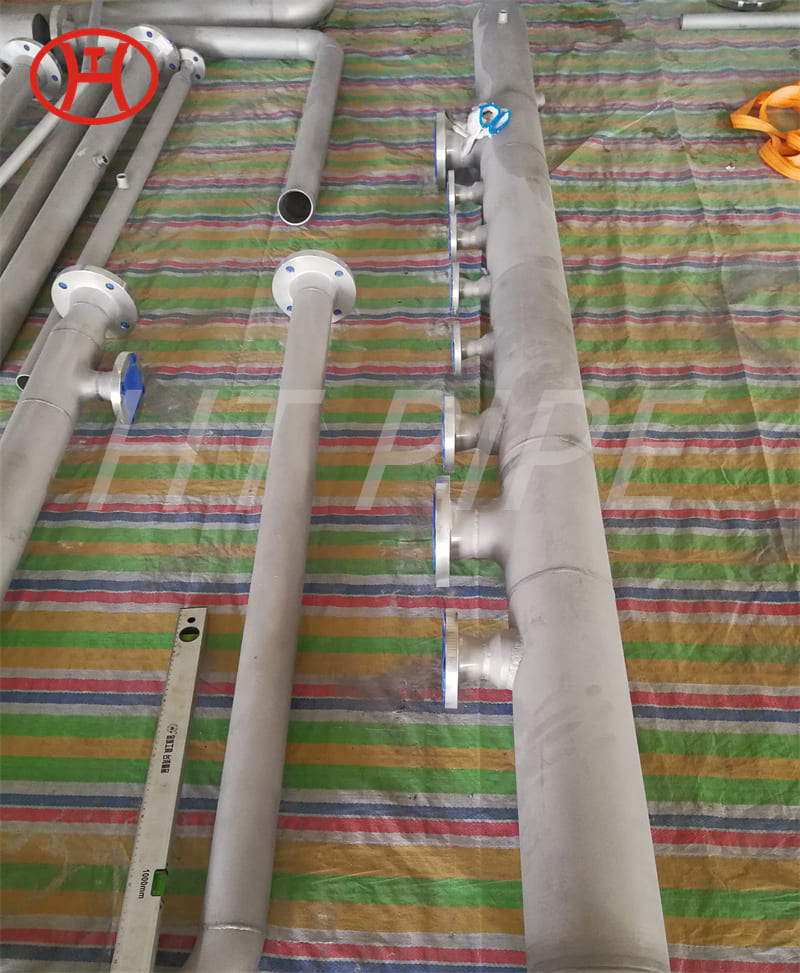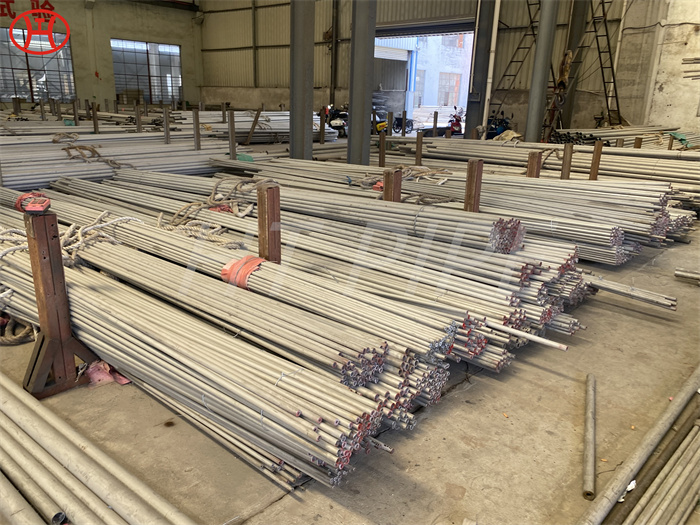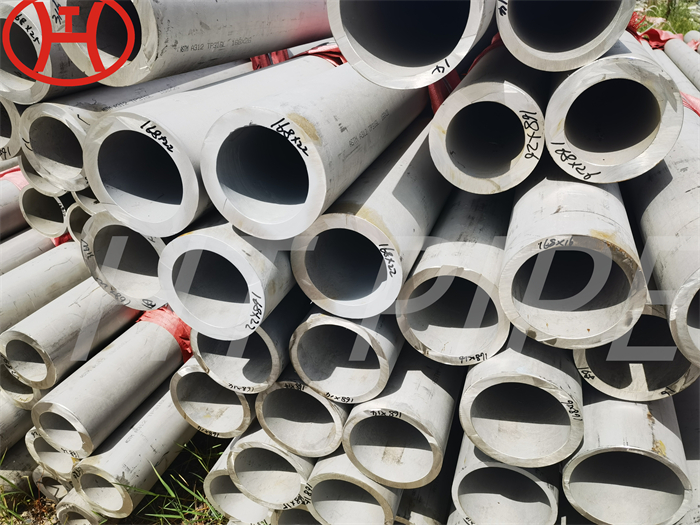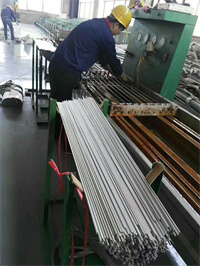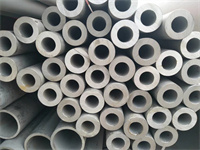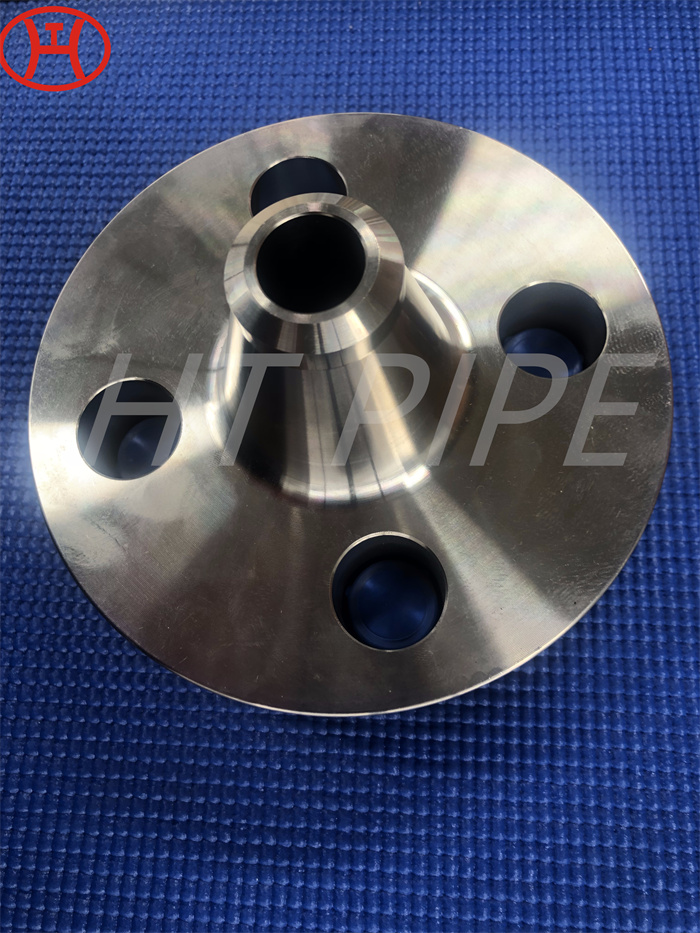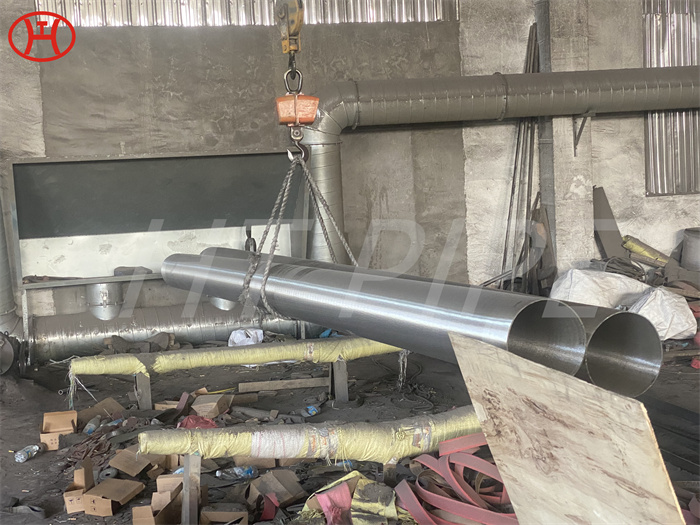
304L Stainless Steel Pipe UNS S30403 WNR 1.4306 Tube Price per KG
304 stainless steel has good oxidation resistance in intermittent use up to 870¡ãC and continuous use up to 925¡ãC. However, if corrosion resistance in water is required, continuous use at 425-860¡ãC is not recommended. In this case, 304L is recommended because of its resistance to carbide precipitation.
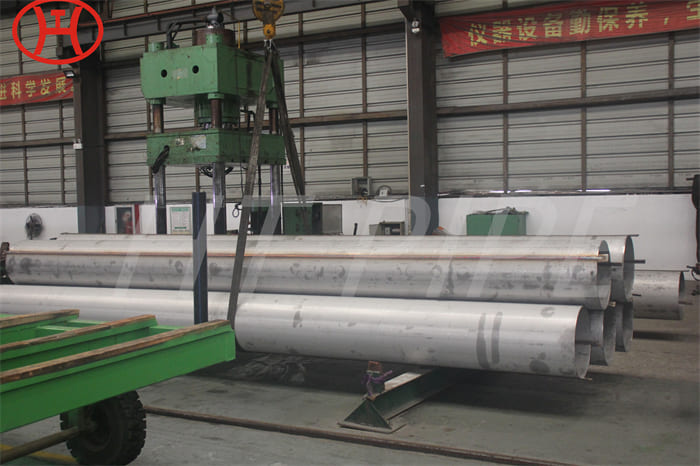
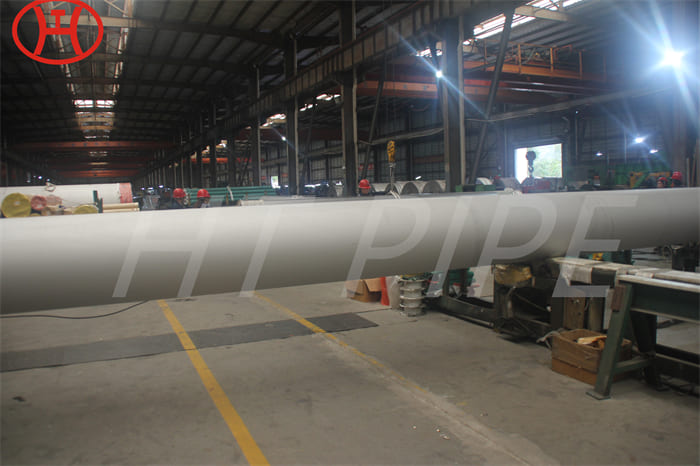
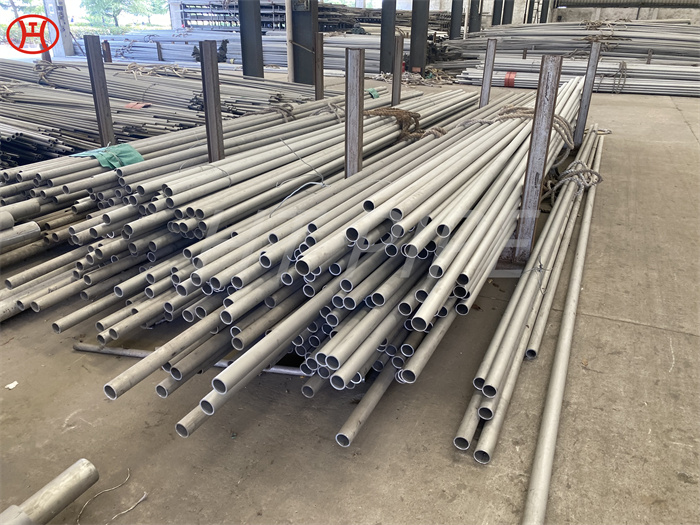
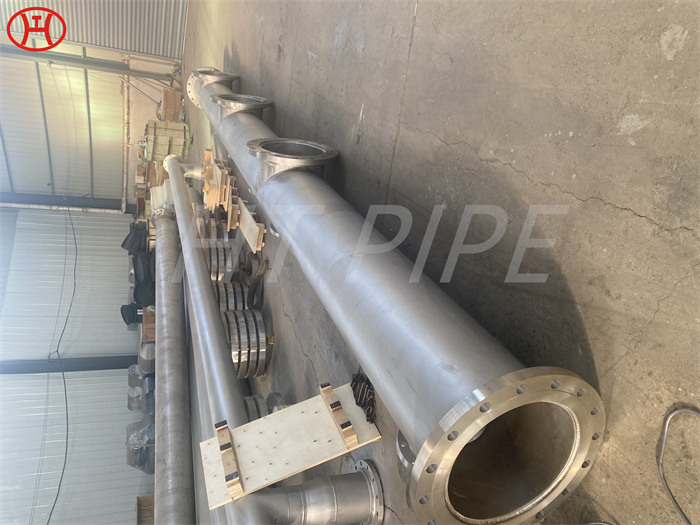
SS UNS S30403 Pipes, UNS S30403 Cold Rolled Pipes, ASME SA312 UNS S30403 ERW Pipes, UNS S30403 EFW Pipes, UNS S30403 Stainless Steel Hot Rolled Pipe, Stockist & Exporter
Alloys 304 (S30400) and 304L (S30403) stainless steels are variations of the 18 percent chromium – 8 percent nickel austenitic alloy, the most familiar and most frequently used alloy in the stainless steel family. High strength, excellent corrosion resistance and minimized carbon content make S30403 pipe useful for applications where welding is required. Uses of S30403 pipe include architectural mouldings and trim, welded components of chemical, textile, paper, pharmaceutical and chemical industry processing equipment.
Other advantages of UNS S30403 Cold Rolled Pipe are resistance to oxidation, excellent formability, ease of fabrication and cleaning, excellent strength to weight ratio and good toughness at cryogenic temperatures. For severely corrosive environments, the lower content of ASME SA312 UNS S30403 ERW Pipe is preferred because of its greater immunity to intergranular corrosion. Our 304L Stainless Steel Pipes of different specifications, sizes, finish and ends feature superior machinability, reliable corrosion resistance, and advanced weldability. These UNS S30403 Stainless Steel Hot Rolled Pipes are highly demanded over different industries such as food processing, petrochemical, and chemical and industries. Our DIN 1.4307 Pipes can be confidently used wherever there’s a need for the piping to protect itself against normal rusting.
Stainless Steel UNS S30403 Pipes Specifications
| Specifications | ASTM A 312 ASME SA 312 / ASTM A 358 ASME SA 358 |
| Dimensions | ASTM, ASME and API |
| SS UNS S30403 Pipes | 1/2″ NB – 16″ NB |
| ERW UNS S30403 Pipes | 1/2″ NB – 24″ NB |
| EFW UNS S30403 Pipes | 6″ NB – 100″ NB |
| Size | 1/8″NB TO 30″NB IN |
| Schedule | SCH20, SCH30, SCH40, STD, SCH80, XS, SCH60, SCH80, SCH120, SCH140, SCH160, XXS |
| Type | Seamless / ERW / Welded / Fabricated / LSAW Pipes |
| Form | Round Pipes, Custom Pipes, Square Pipes, Rectangular Pipe, “U” Shape, Hydraulic Pipes |
| Length | Single Random, Double Random & Cut Length. |
| End | Plain End, Beveled End, Treaded |