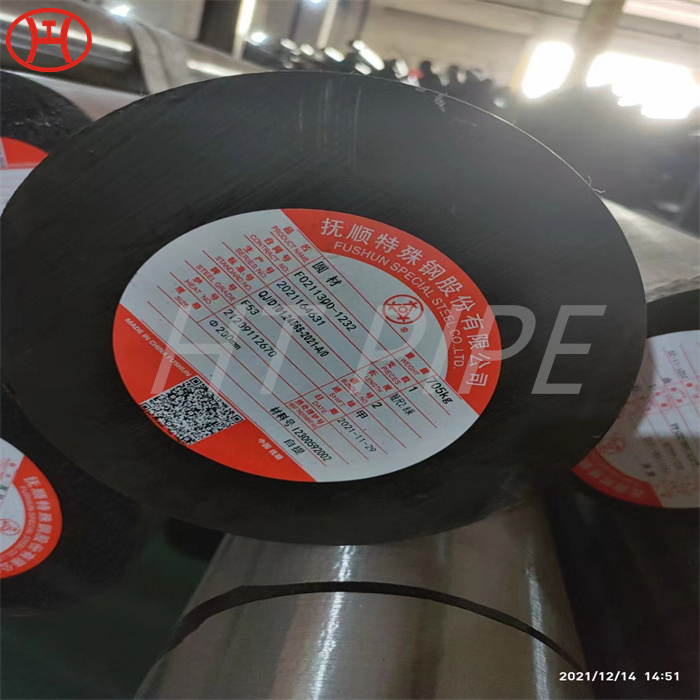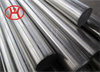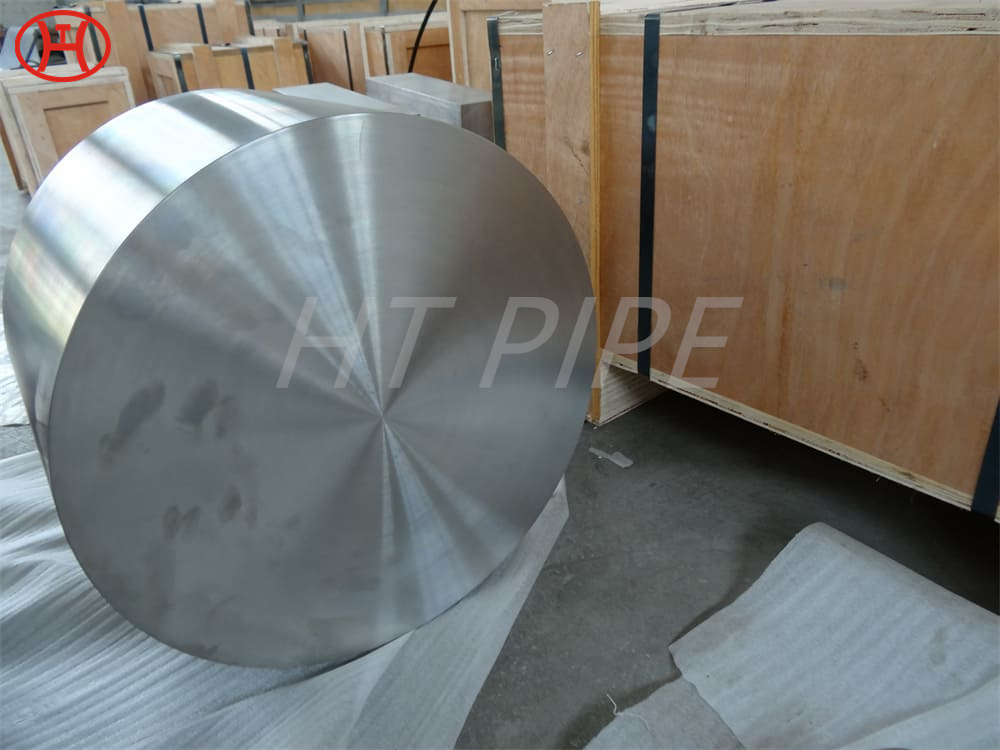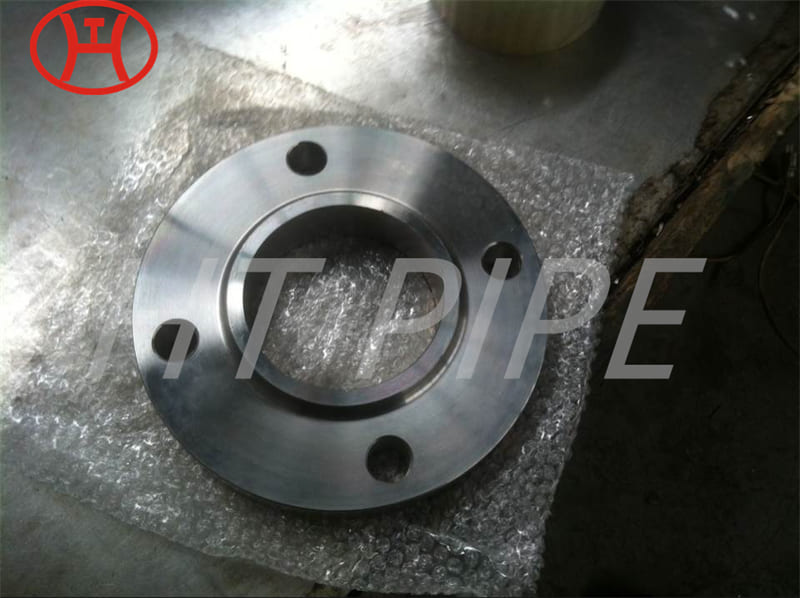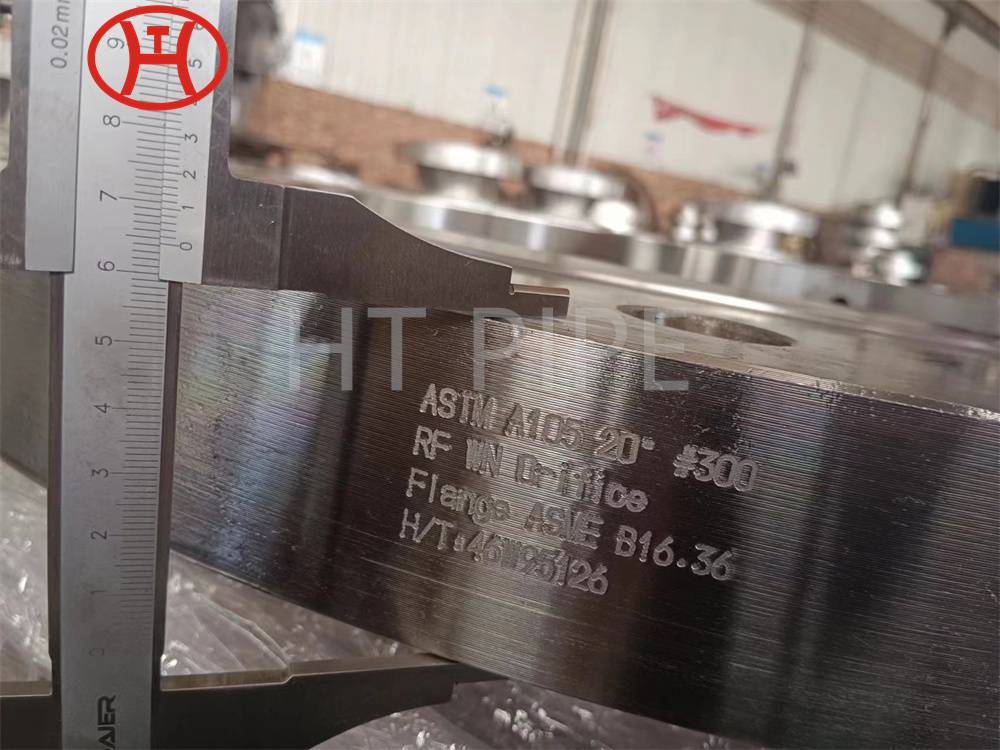
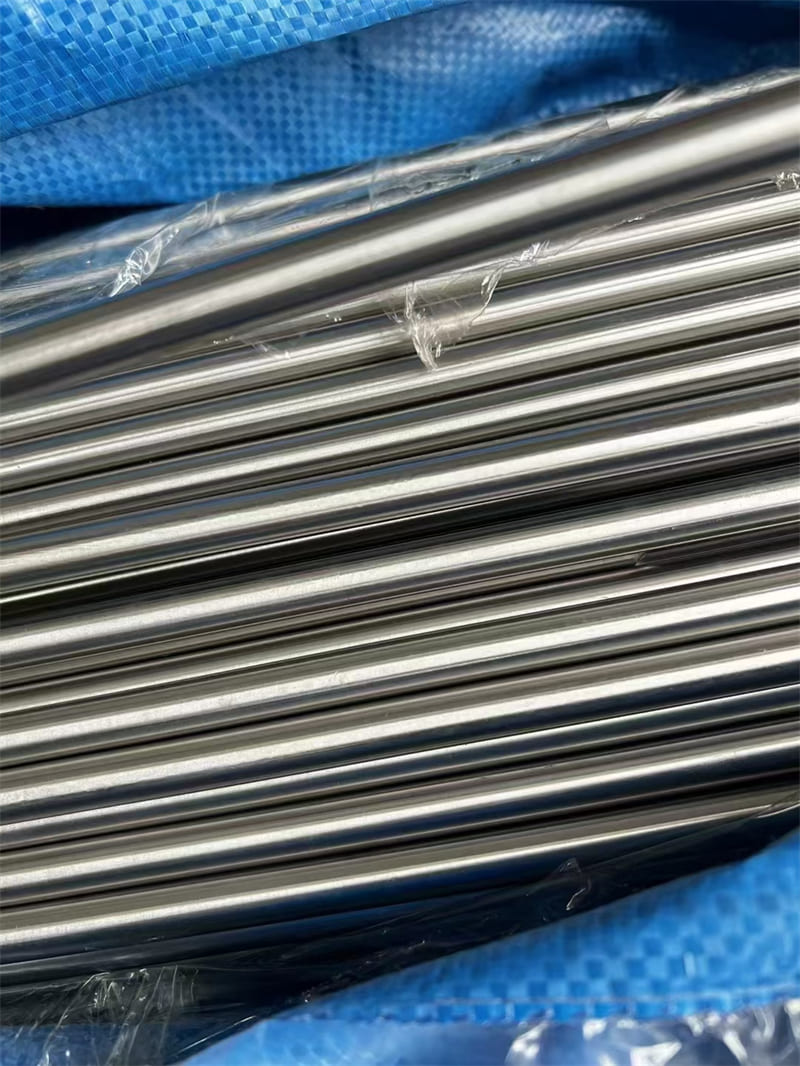
AISI 304 ASTM A276 S30400 1.4301 Stainless Steel Round Bar
ASTM A276 304 stainless steel round bars are made from high-quality stainless steel and have excellent corrosion resistance. This grade of steel is widely used in applications where high strength, excellent corrosion resistance, and good weldability are required. The AISI 304 stainless steel round bar is one of the most versatile and widely used types of stainless steel. ASTM A276 304 Stainless Steel Round Bar is also known as 18/8 stainless steel because it contains 18% chromium and 8% nickel.
ASTM A276 304 Stainless Steel Round Bar, SS UNS S30400 Bars, JIS SUS 304 Round Bar, SS 304 Hex Bar Suppliers, AISI 304 Stainless Steel Round Bar.
ASTM A276 304 stainless steel round bars are made from high-quality stainless steel and have excellent corrosion resistance. This grade of steel is widely used in applications where high strength, excellent corrosion resistance, and good weldability are required. The AISI 304 stainless steel round bar is one of the most versatile and widely used types of stainless steel. ASTM A276 304 Stainless Steel Round Bar is also known as 18/8 stainless steel because it contains 18% chromium and 8% nickel.
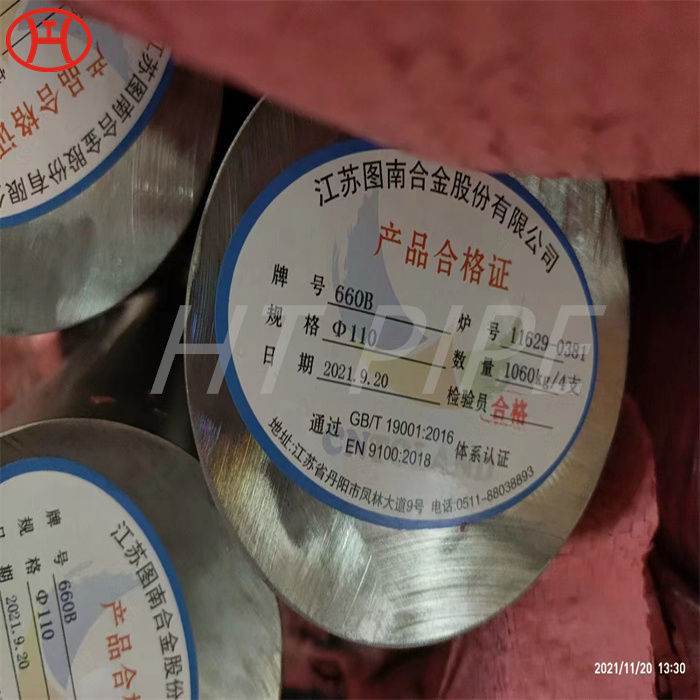
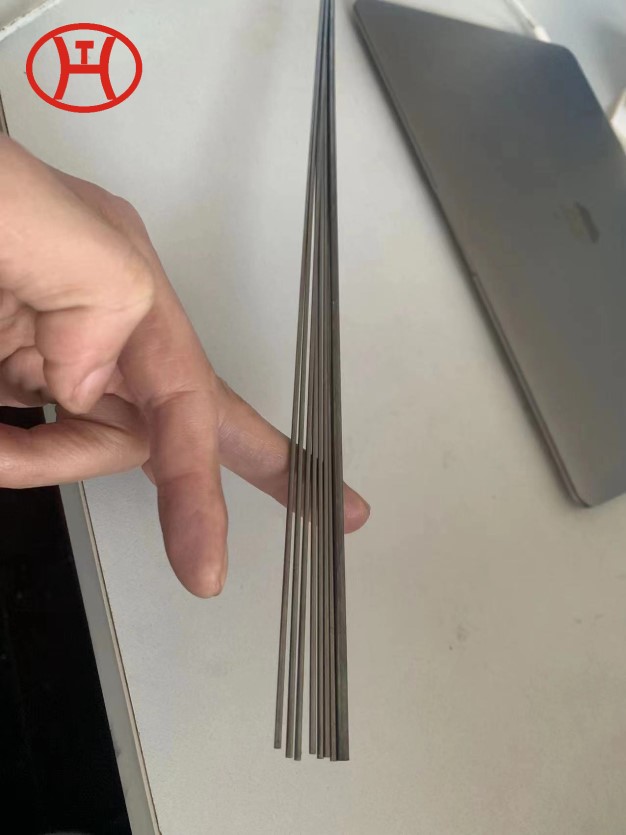
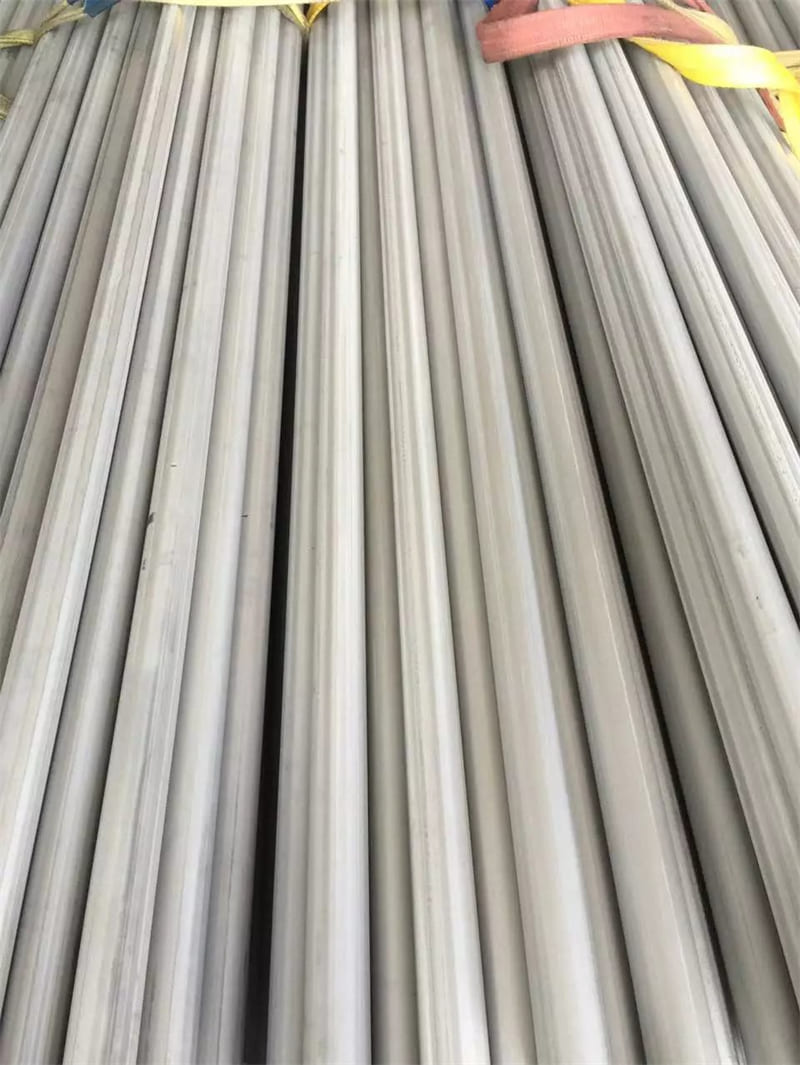
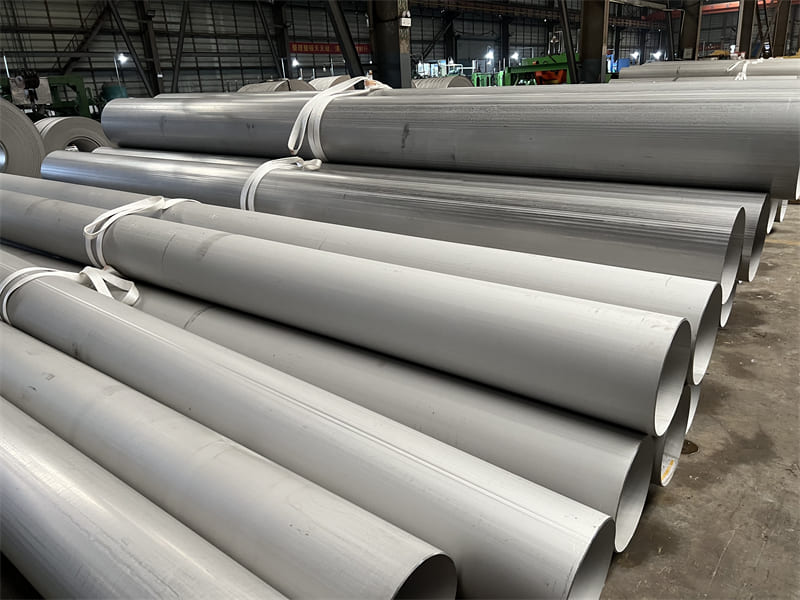
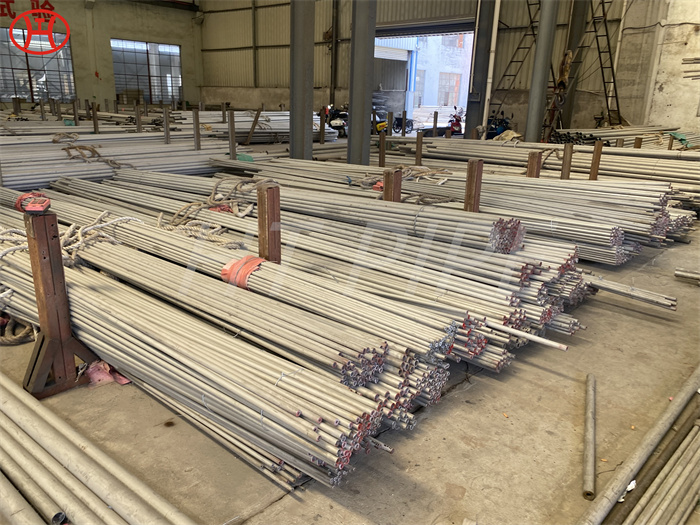
ASTM A276 304 stainless steel round bars are available in a variety of diameters ranging from 2mm to 500mm. UNS S30400 Bars can be supplied in various conditions such as annealed, cold-drawn, centerless ground, or peeled and polished. The JIS SUS 304 Round Bars are commonly used in applications such as food processing equipment, chemical processing equipment, and marine equipment.
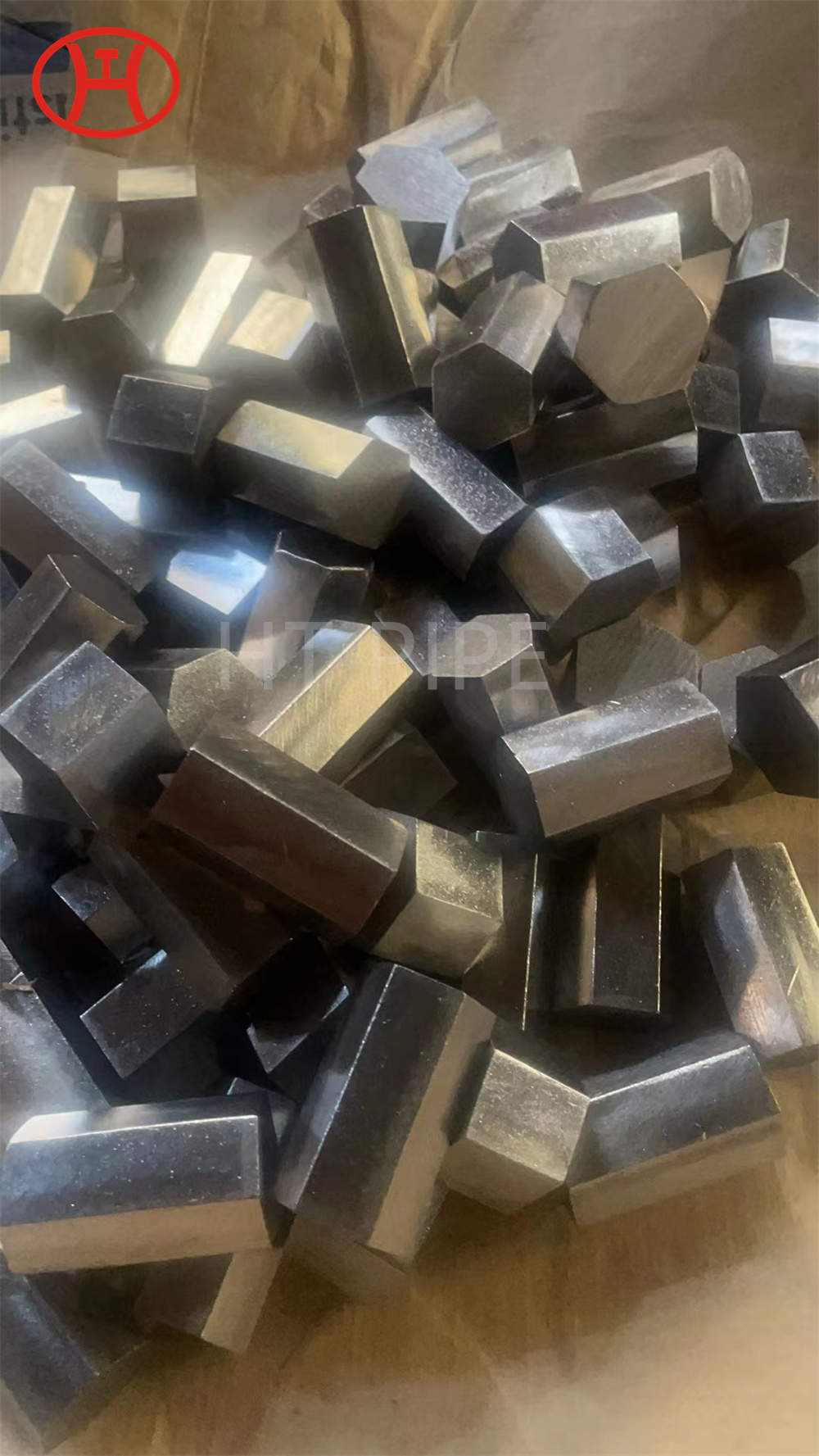
304 Hex Bars are also used in the manufacture of kitchen appliances, sinks, and roofing materials. The AISI 304 Stainless Steel Round Bars are manufactured using the latest technology and modern machinery to ensure high precision and dimensional accuracy. SS 304 Rods are made by rolling, forging, or drawing the raw material into the desired shape. The final product is then heat treated to improve its mechanical properties. The heat treatment process involves heating the steel to a specific temperature, holding SS 304 Round Bar at that temperature for a specified time, and then cooling it at a controlled rate to achieve the desired properties.
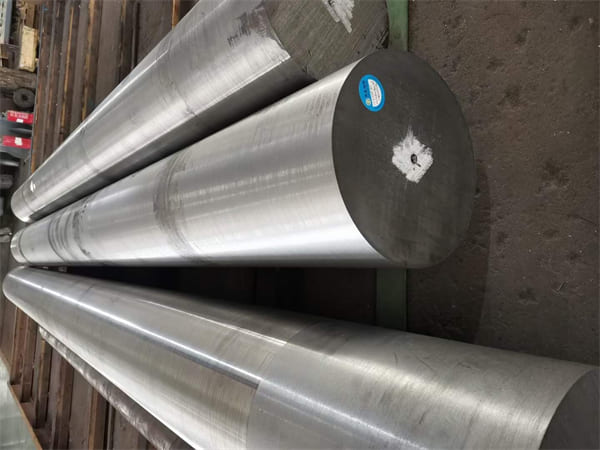
The 304 stainless steel round bars exhibit excellent corrosion resistance, making S30400 bars suitable for use in harsh environments. The material 1.4301 is also resistant to pitting, crevice corrosion, and stress corrosion cracking. Additionally, AISI 304 Cold Rolled Bar has good formability and can be easily welded using standard welding techniques. This makes Stainless Steel 304 Round Bar an ideal material for a wide range of applications.
The ASTM A276 304 stainless steel round bar is also known for its excellent machinability. The material can be easily machined using conventional techniques such as turning, milling, and drilling. Unlike other grades of stainless steel, the AISI 304 does not work harden significantly during machining. This makes Round Bar Stainless Steel 304 easier to machine and reduces the processing time.
The ASTM A276 304 stainless steel round bar is an ideal material for applications that require high strength, good corrosion resistance, and excellent machinability. 1.4301 AISI 304 Cold Rolled Bar is widely used in the food processing, chemical processing, and marine industries, as well as in the manufacture of kitchen appliances, sinks, and roofing materials. The material is available in a variety of sizes, conditions, and finishes to meet the specific requirements of various applications.
SS 304 Rod Chemical Composition
| Grade | C | Mn | Si | P | S | Cr | Mo | Ni | N | |
| 304 | min. | – | – | – | – | – | 18.0 | – | 8.0 | – |
| max. | 0.08 | 2.0 | 0.75 | 0.045 | 0.030 | 20.0 | 10.5 | 0.10 | ||
SS 304 Round Bar Mechanical Properties
| Grade | Tensile Strength (MPa) min | Yield Strength 0.2% Proof (MPa) min | Elongation (% in 50mm) min | Hardness | |
| Rockwell B (HR B) max | Brinell (HB) max | ||||
| 304 | 515 | 205 | 40 | 92 | 201 |