Home » Steel Pipe Fittings » Butt Weld Pipe Fittings » Monel 400 bw pipe fittings 2.4360 elbows and tees

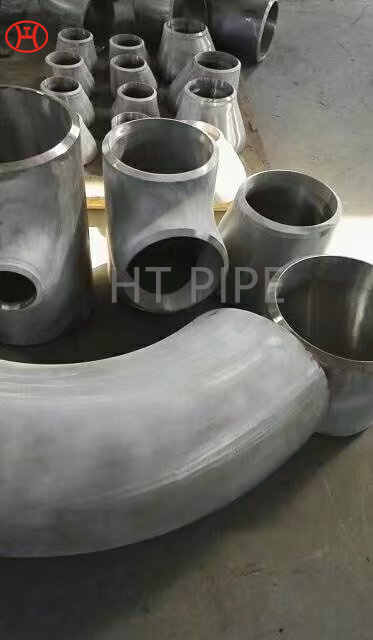
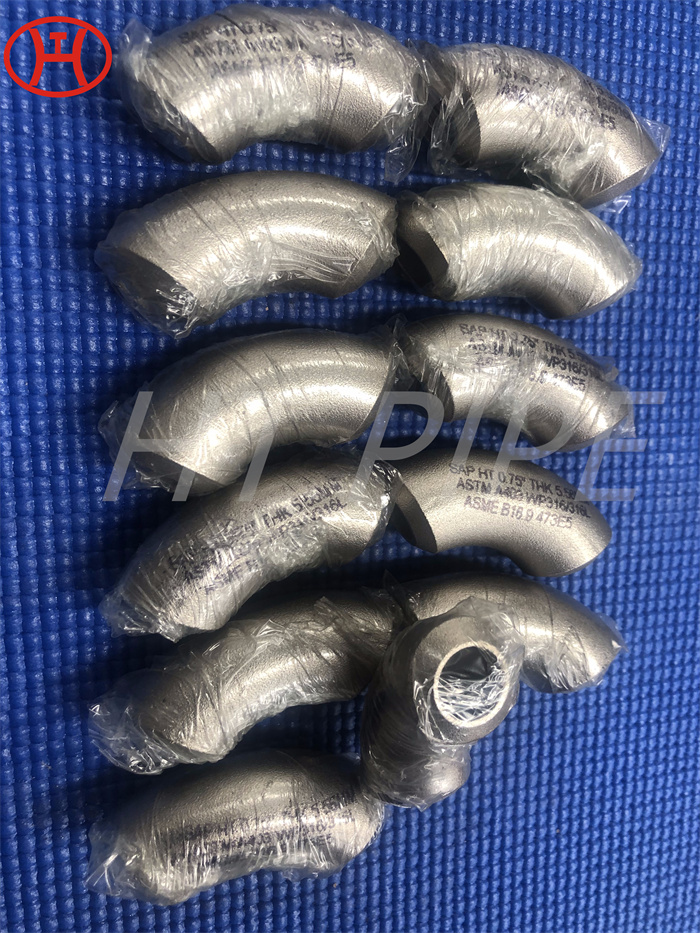
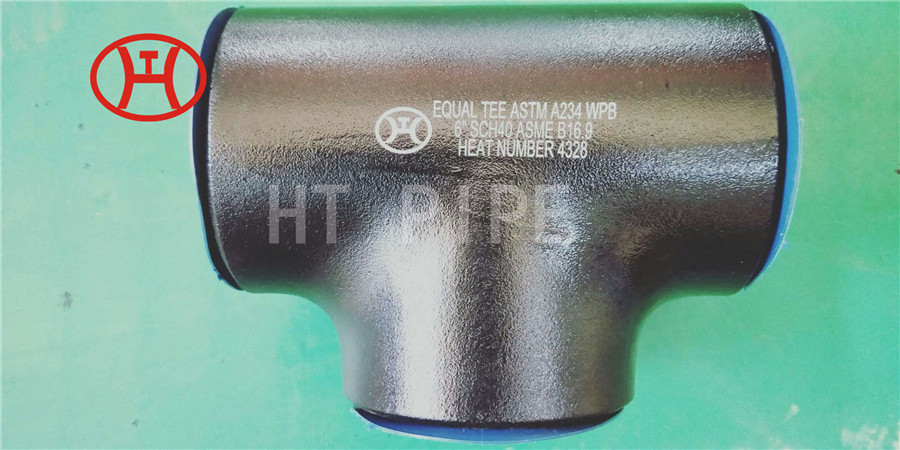
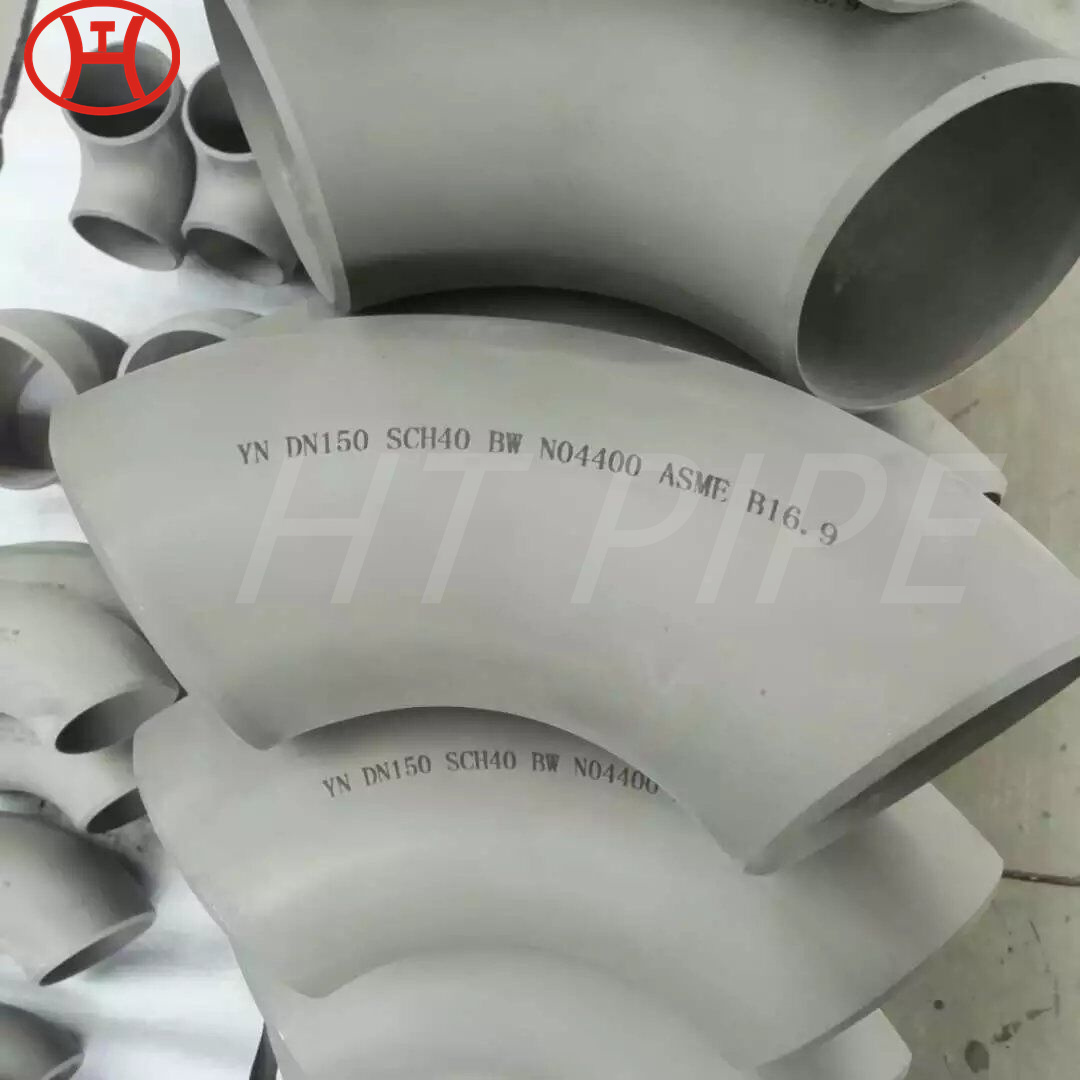
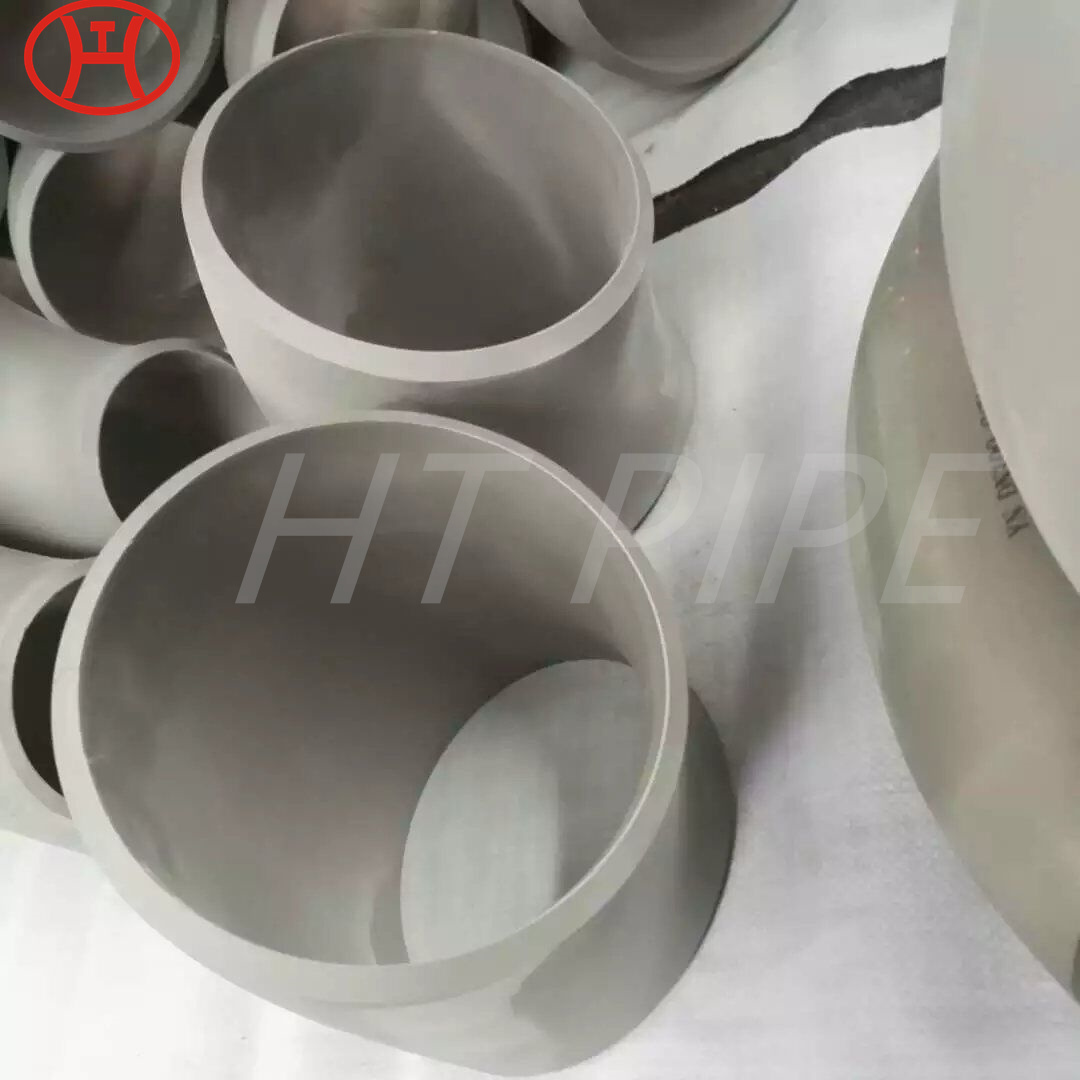
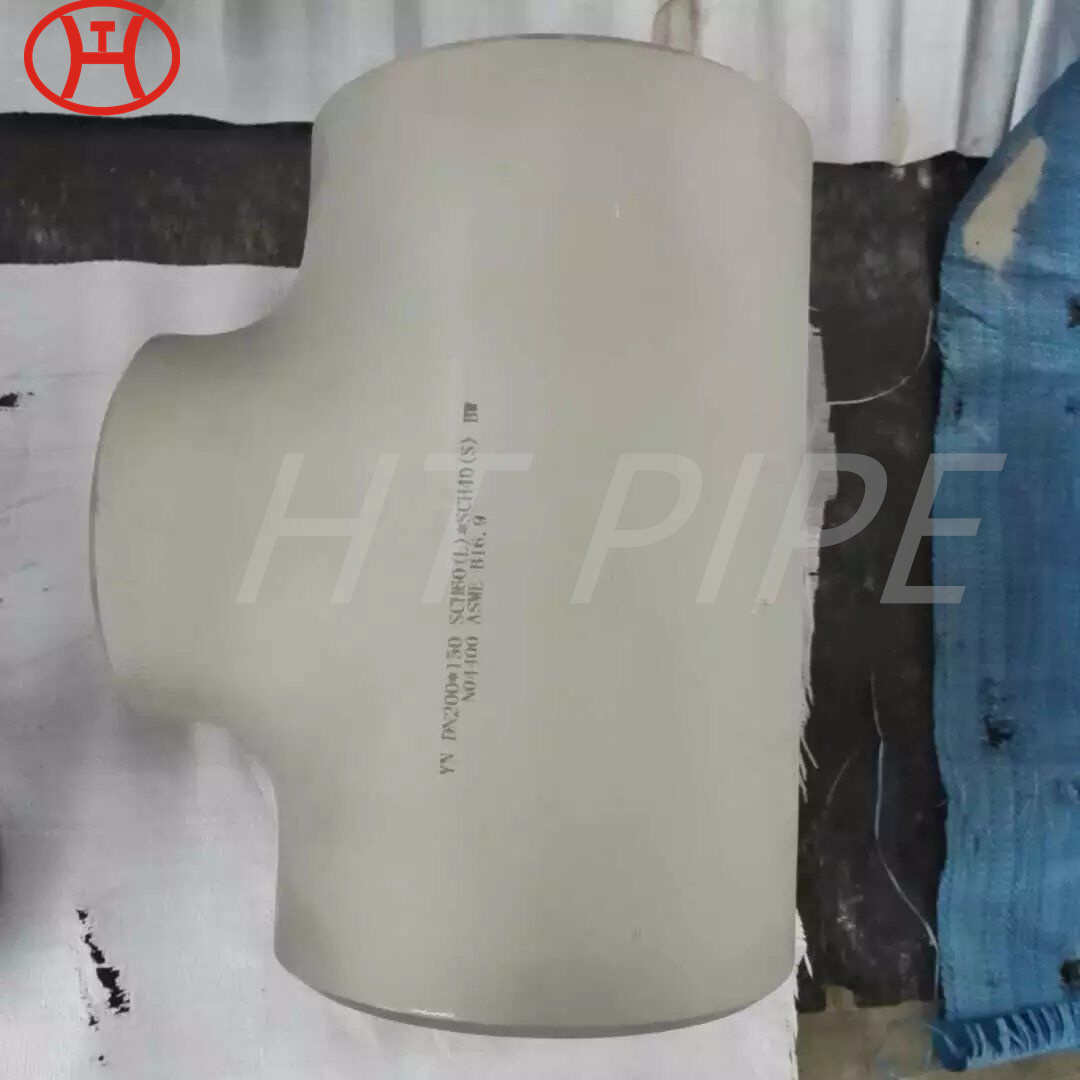
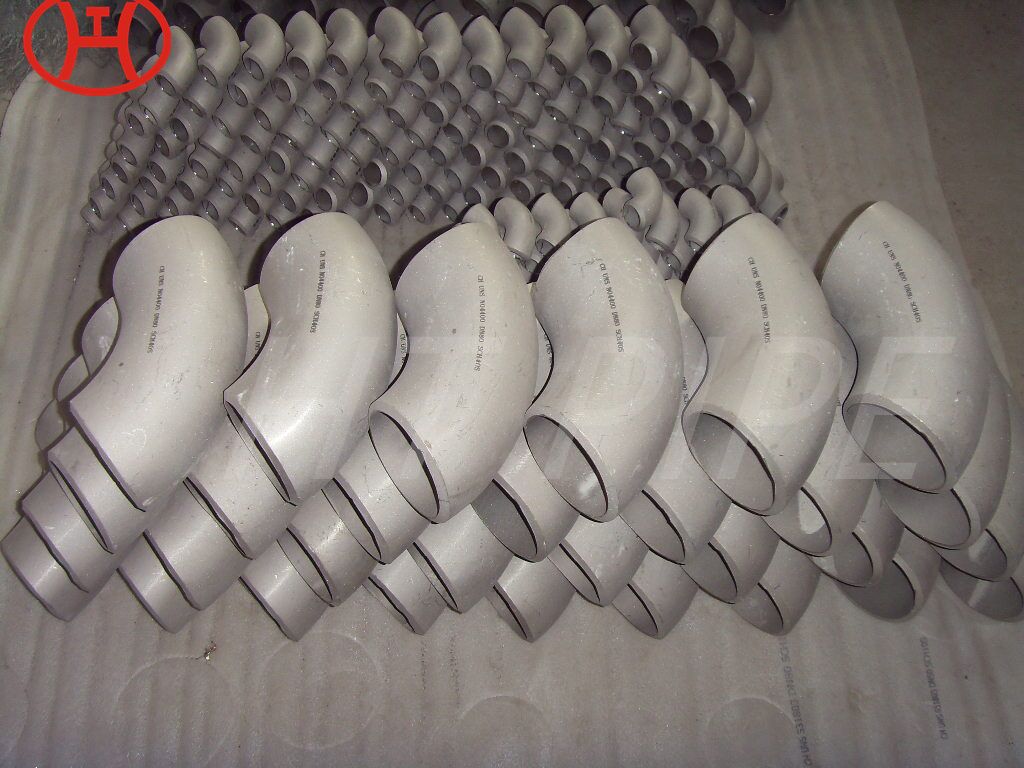
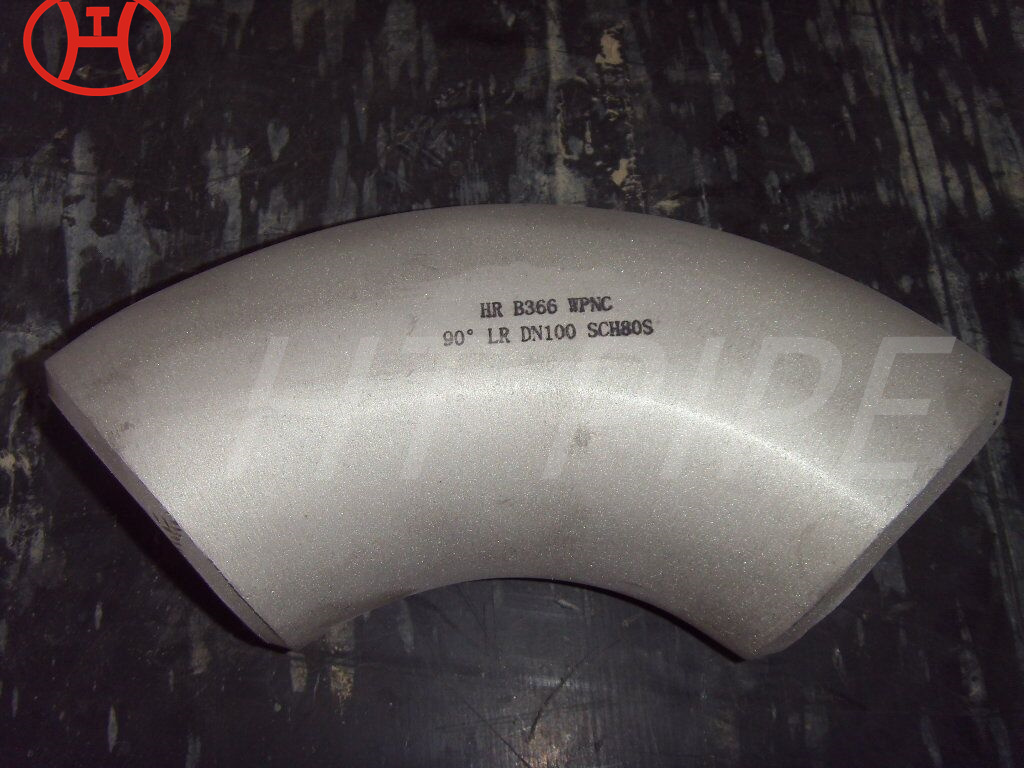
Monel 400 bw pipe fittings 2.4360 elbows and tees

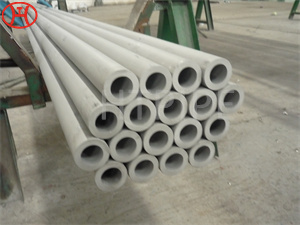
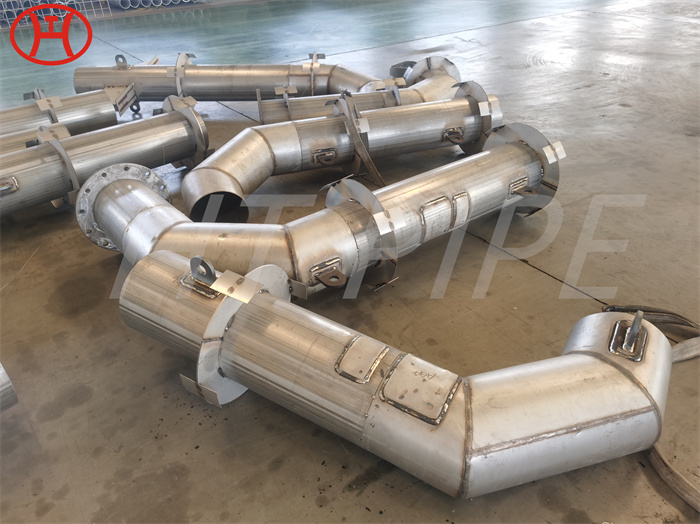
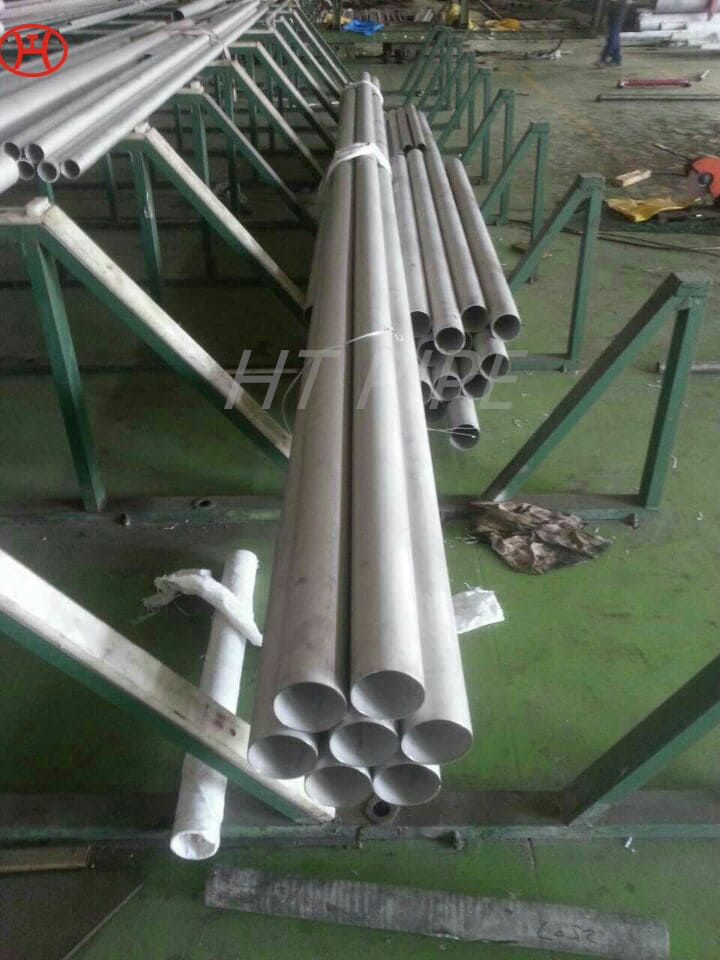
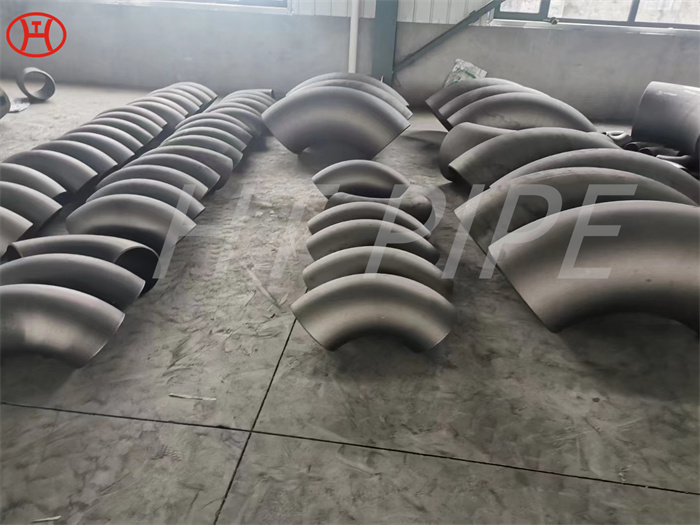
Monel 400 Tee is a nickel-copper alloy resistant to seawater and steam at high temperatures, as well as salts and corrosive solutions. Monel 400 Pipe Elbows operate over a wide temperature range and are available in a variety of styles for a variety of products.

Rated 4.9/5 based on 330 customer reviews
Share:
Content

Monel 400 is a high performance, high strength nickel and copper alloy (with trace amounts of iron, manganese, carbon and silicon). It has excellent acid and alkali resistance, good ductility and good thermal conductivity, and can only be hardened by cold working. Monel 400 is suitable for applications with operating temperatures ranging from subzero to 1,000°F (538°C).
Copper alloys are generally very resilient to salt water, making them suitable for marine engineering applications. Alloy 400 fittings will also exhibit good resistance to corrosive solutions and salt water, although the alloy has a higher nickel content (about 67% of the total alloy weight). Caustic solutions including potassium hydroxide or sodium hydroxide solutions will not affect mild concentrations of alloys at ambient temperature settings. However, this is not the case if the temperature of the solution or concentration increases. Ordinary steel corrodes rapidly.
Alloy 400 is a nickel-copper alloy (approximately 67% Ni – 23% Cu) resistant to seawater and steam at high temperatures, as well as salt and caustic solutions. Monel 400 fittings are also extremely resistant to stress corrosion cracking in most fresh waters. High temperatures (up to 1000°F) have no effect on this alloy, and it also has excellent mechanical properties at sub-zero temperatures.

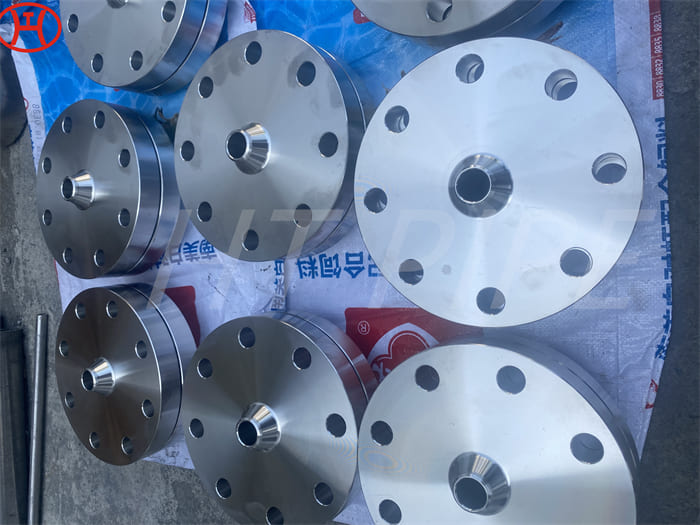
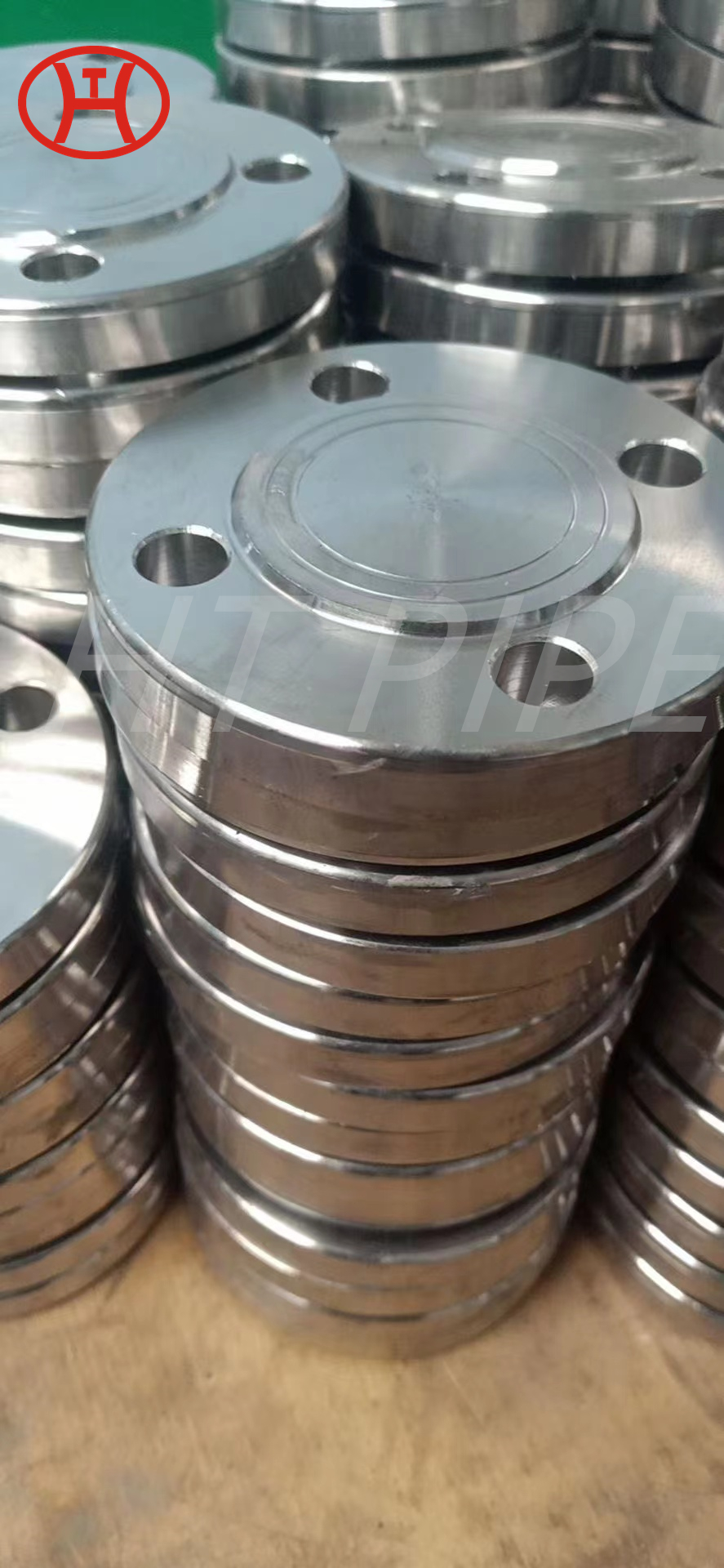
These Monel 400 butt welded fittings (high corrosion alloy material) are used in oil and gas, heat exchangers, aerospace, pharmaceutical, defense, electrical and electronic parts, chemical transport barrels and other industries.
Inquiry


    More Materials

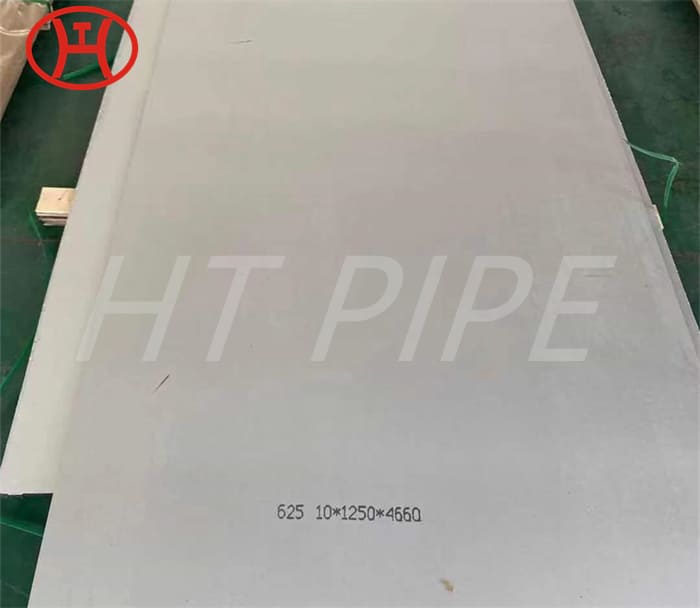
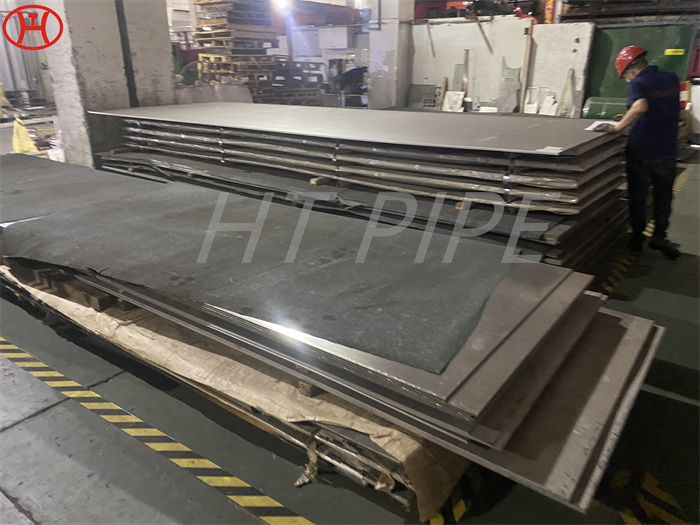
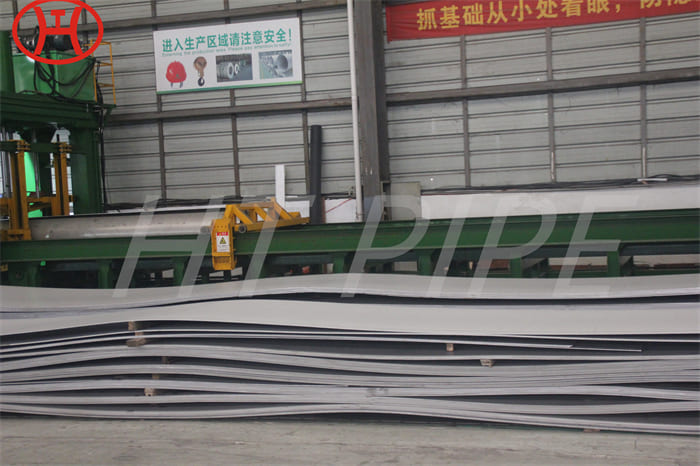
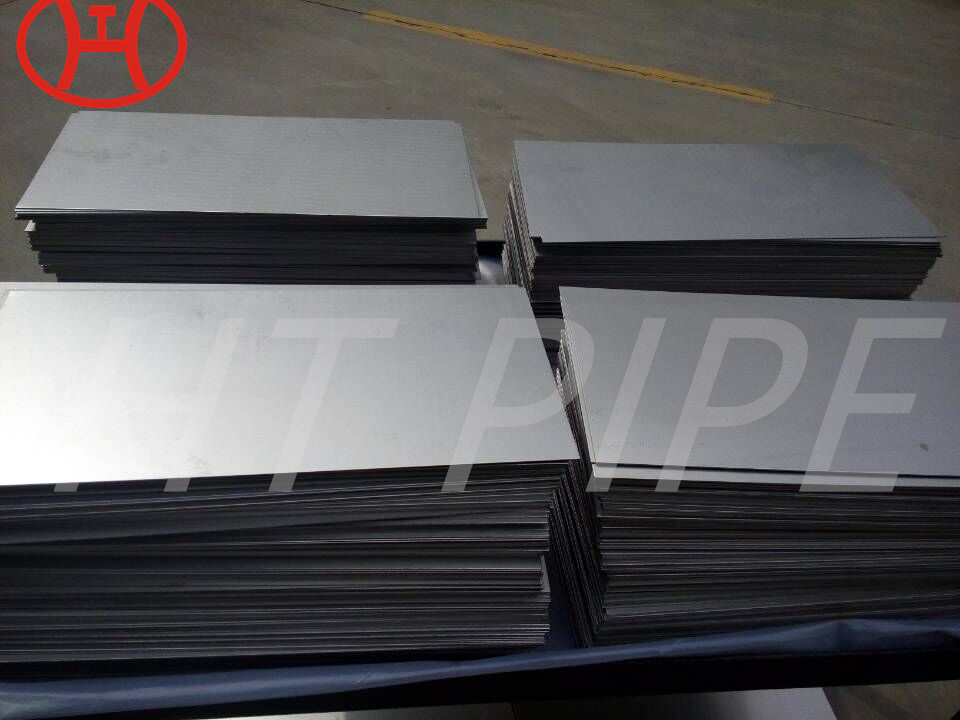
    Steel Plate are often used for structural and construction applications, pressure vessels, marine and offshord equipment, and military applications. The grade, elements and parameters of a steel plate are also important in how it is used.
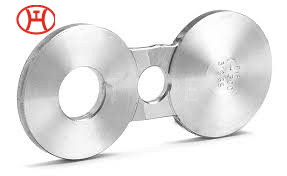
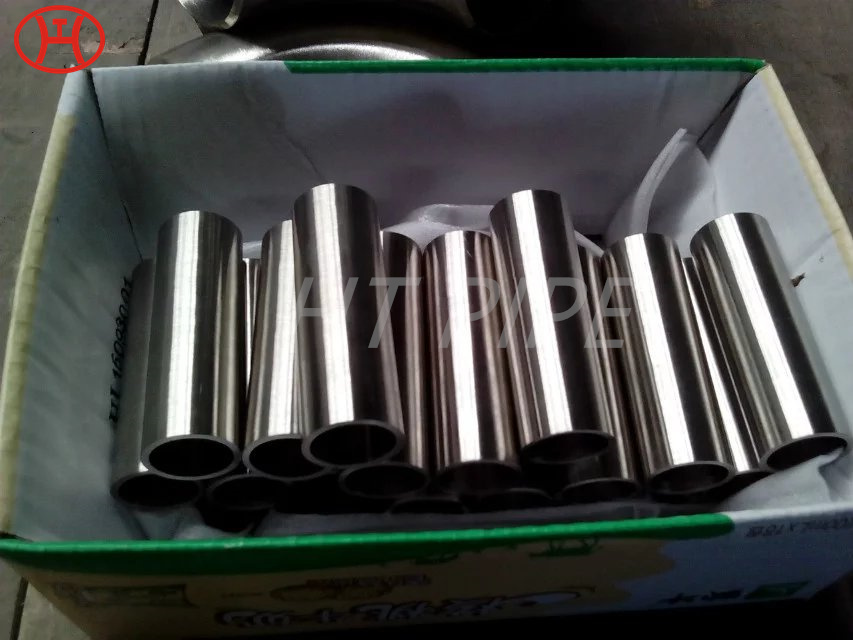
    Steel plates are classified by thickness: thin plate, medium plate, thick plate and extra-thick plate.
    Thin steel plates are steel plates with a thickness between 0.2-4mm produced by hot rolling or cold rolling, and thick steel plates are those with a thickness of more than 4mm
    The general name of the good board.
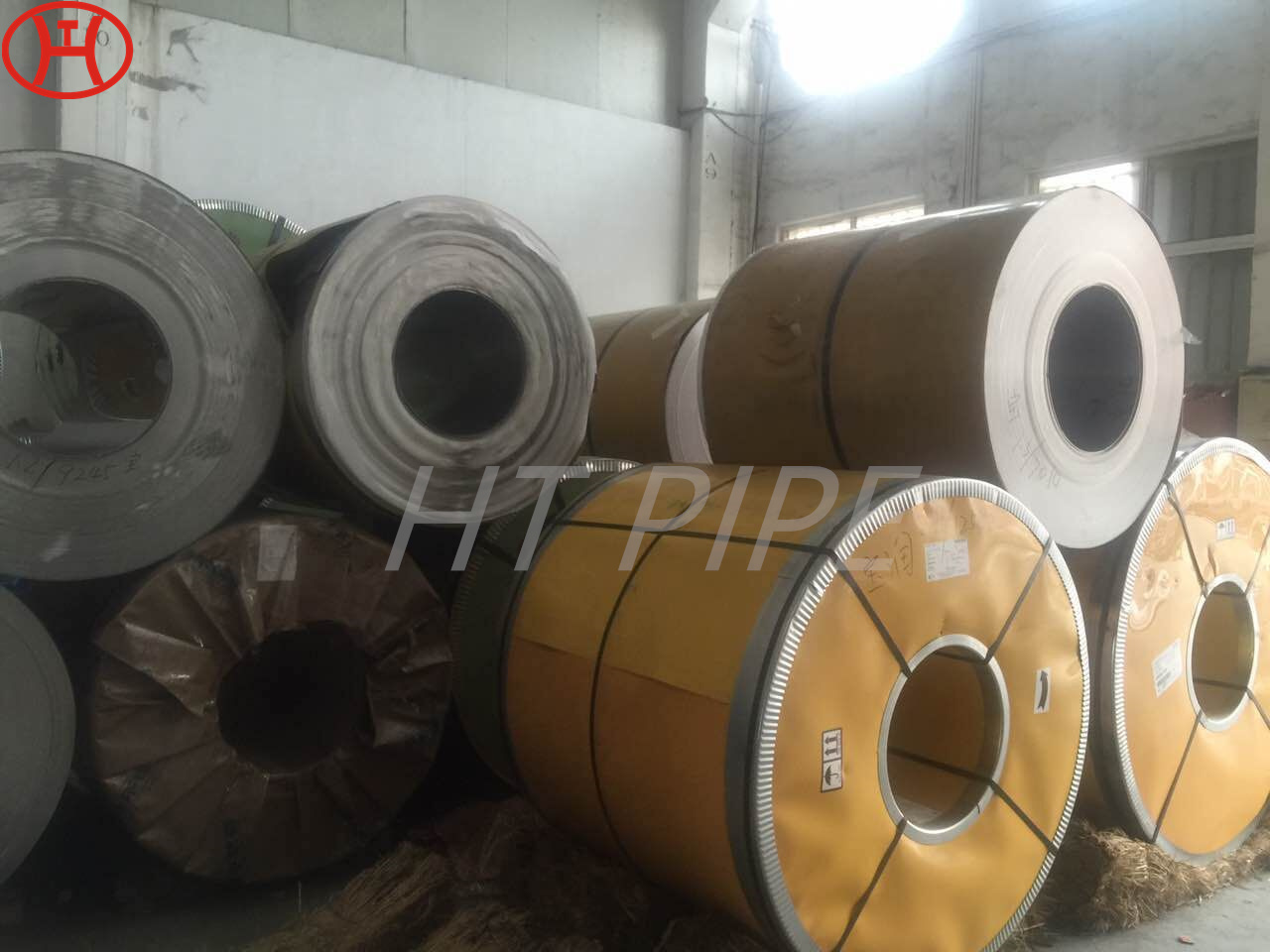
    Thin steel plate refers to a steel plate with a thickness of not more than 3 mm. The commonly used thin steel plate thickness is 0.5-2MM, which is divided into sheet and coil supply. Thin
    The steel plates are generally B-type steels, cold-rolled or hot-rolled steel plates with steel grades B0-B3. Requirements for thin steel plates: smooth, smooth surface, thick
    The degree of uniformity, allowing a tight iron oxide film, must not have cracks, scarring and other defects. The process is divided into hot rolled sheet steel and cold rolled sheet
    plate. Mainly used in Changlin Dongfeng fans, automobiles, electrical equipment, vehicles, agricultural machinery, containers, steel furniture, etc.
    Thick steel plates refer to steel plates with a thickness greater than millimeters. Thick steel plate is divided into extra-thick steel plate and medium-thick steel plate.
    Medium and heavy steel plates refer to steel plates with a thickness greater than 3 mm and less than 50 mm. Medium and thick steel plates are mainly used in shipbuilding, boilers, bridges
    Armor and high-pressure vessel shells, etc.
    Extra-thick steel plate refers to a steel plate with a thickness of not less than 50 mm. Extra-thick steel plates are mainly used in shipbuilding, boilers, bridges and high-pressure vessel shells
    blog.