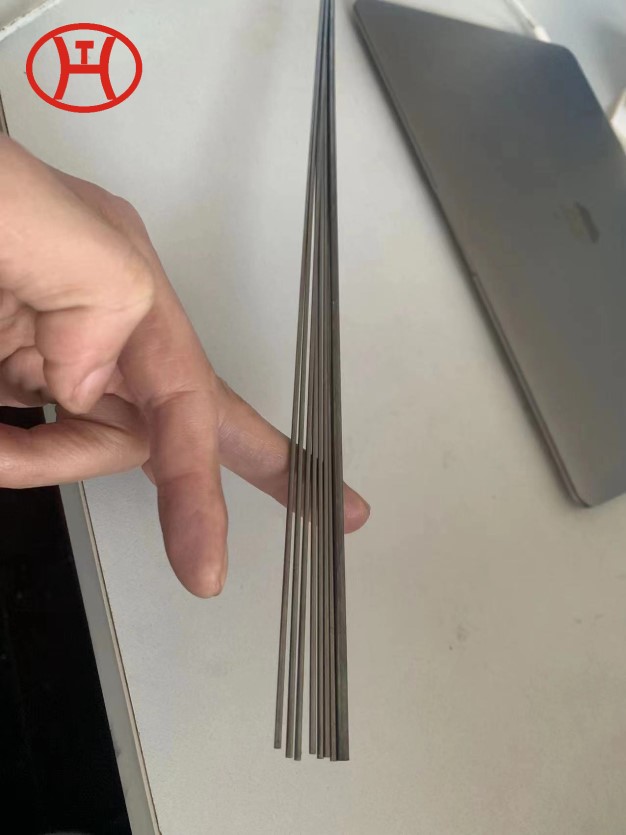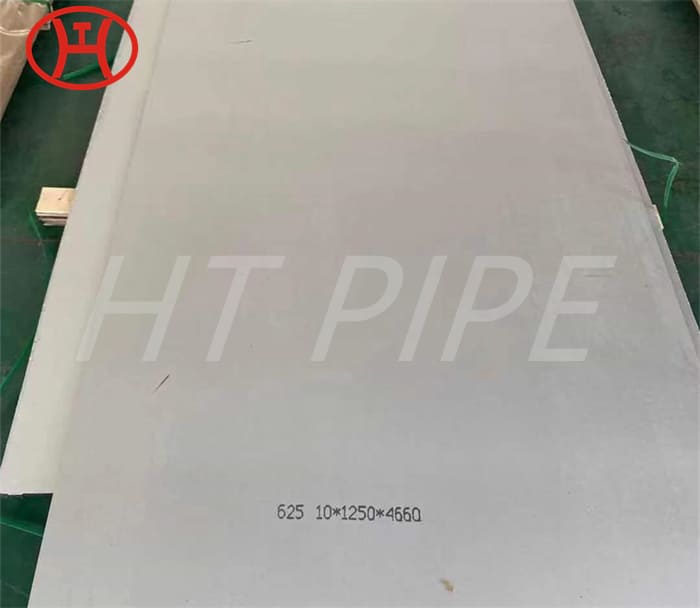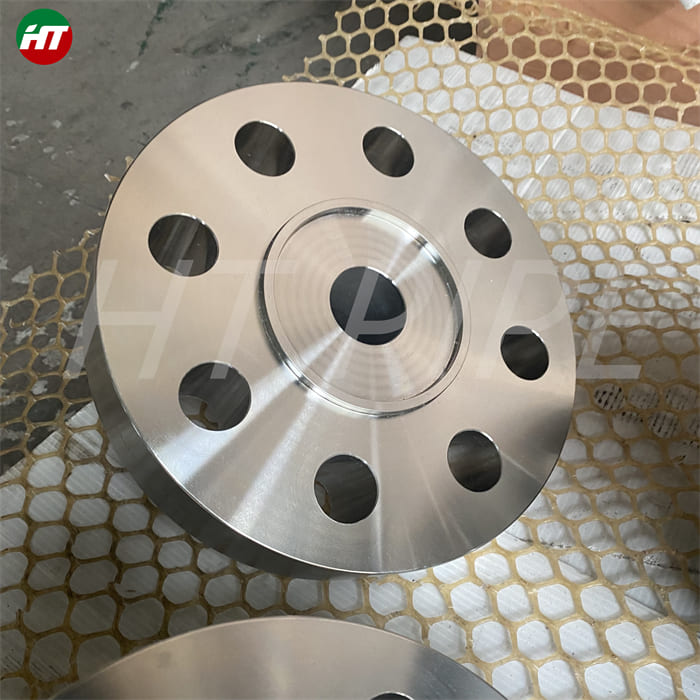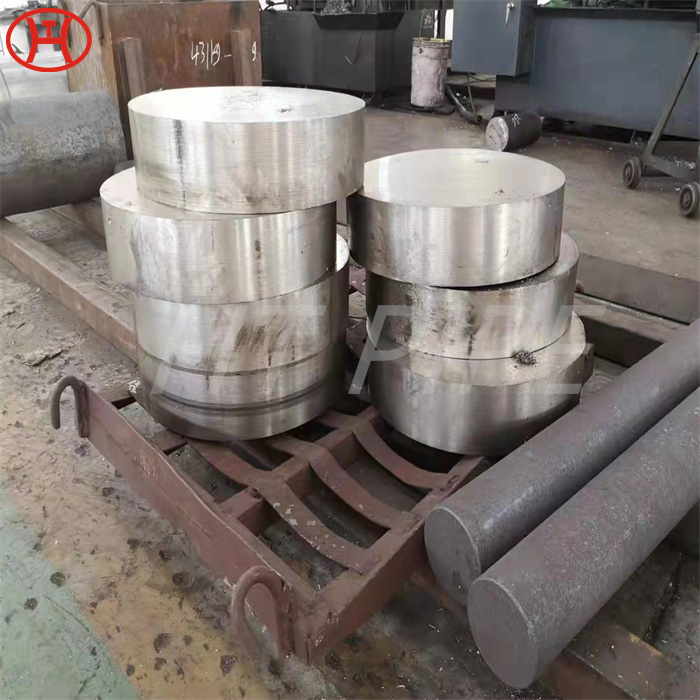
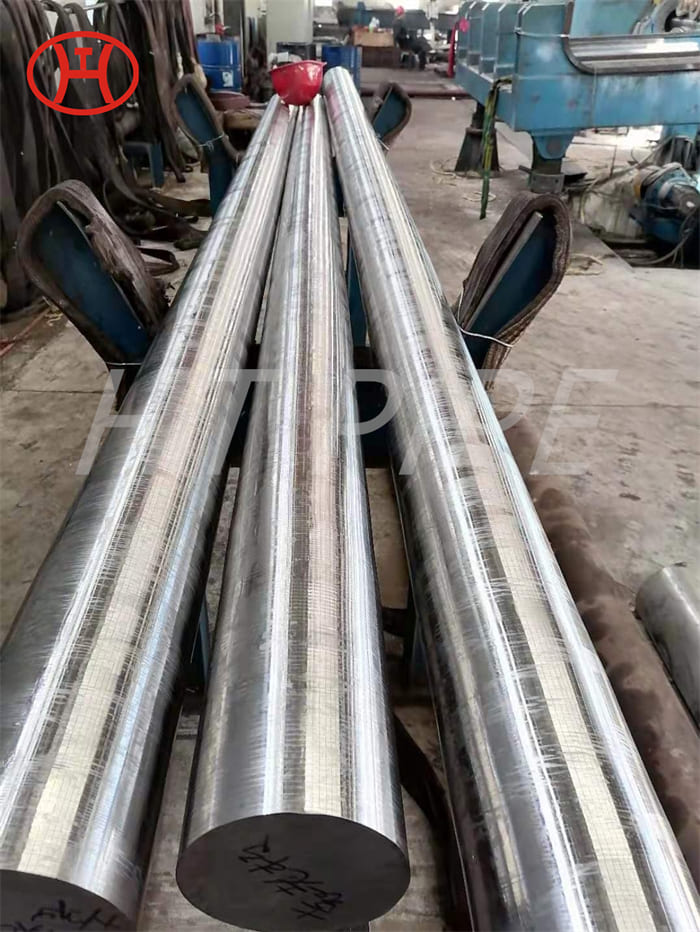
AISI 304L 1.4306 S30403 SUS304L Stainless Steel Rod SS 304L Bar
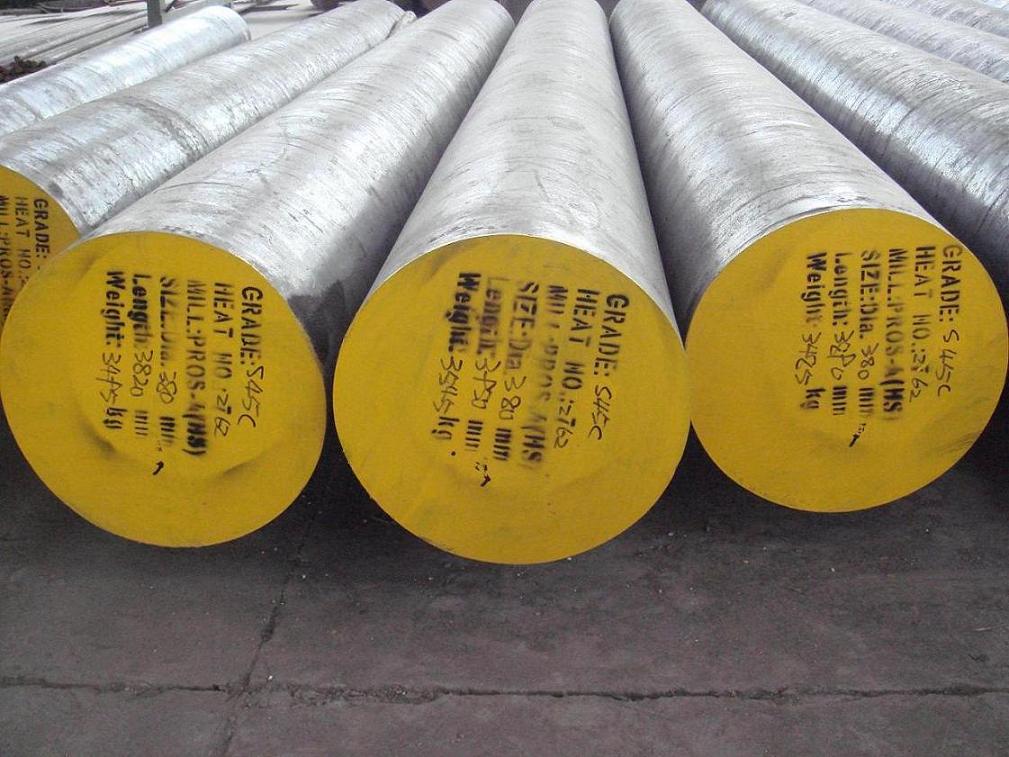
AISI 304L 1.4306 S30403 SUS304L, also known as SS 304L, is a type of stainless steel rod that is often used in a variety of applications. This material is highly resistant to corrosion, making AISI 304L Stainless Steel Rod ideal for use in environments that are prone to chemicals and moisture.
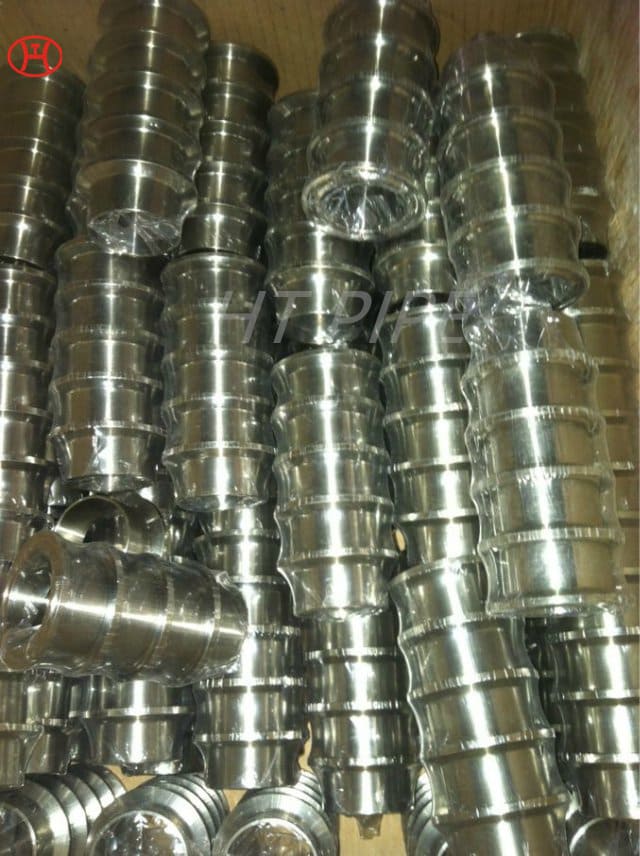
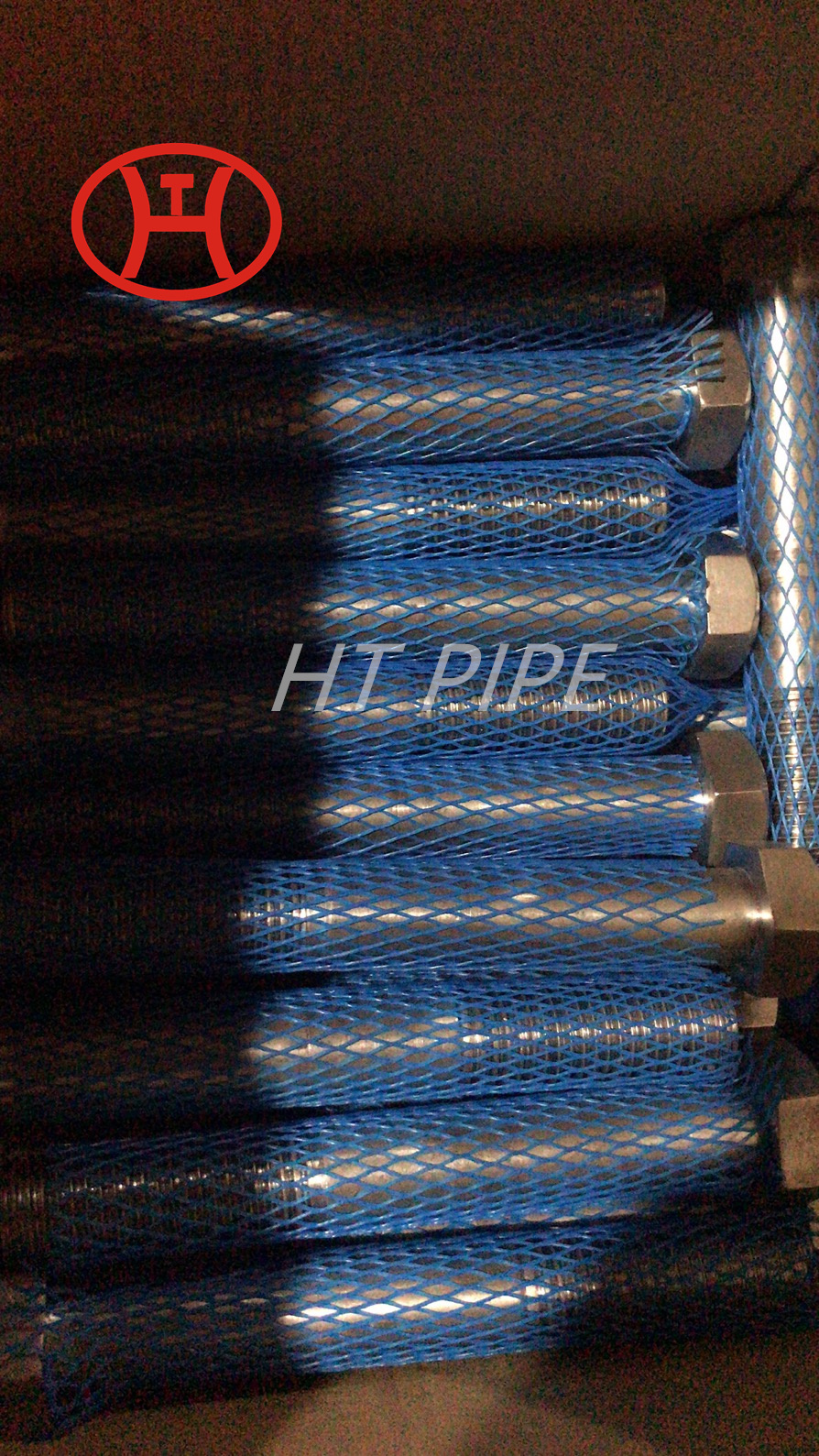
AISI 304L Stainless Steel Rod, 1.4306 Stainless Steel Rod, S30403 Stainless Steel Bar, SUS304L SS Bar, AISI 304L Stainless Steel Rod Supplier. ASTM A276 UNS S30403 Forged Bar, AISI 304L Bright Rod.
AISI 304L 1.4306 S30403 SUS304L, also known as SS 304L, is a type of stainless steel rod that is often used in a variety of applications. This material is highly resistant to corrosion, making AISI 304L Stainless Steel Rod ideal for use in environments that are prone to chemicals and moisture.
One of the key features of this material is its composition. AISI 304L 1.4306 S30403 SUS304L is a low-carbon variation of the popular AISI 304 stainless steel. This change in composition leads to an increase in the 1.4306 Stainless Steel Rod‘s corrosion resistance, making it ideal for use in harsh environments.
Apart from its high resistance to corrosion, AISI 304L 1.4306 S30403 SUS304L is also known for its ductility, toughness, and strength. This makes S30403 Stainless Steel Bar incredibly versatile and able to be used in a wide range of applications.
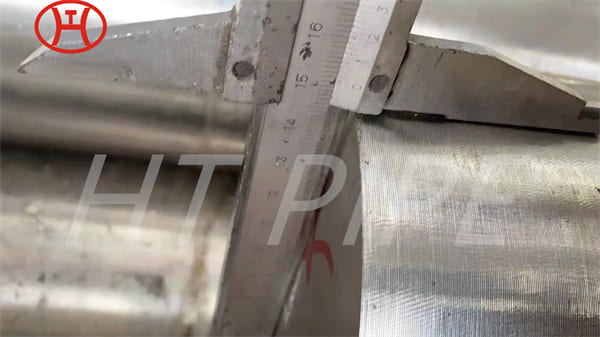
One common application for SUS304L SS Bar is in the manufacturing of equipment used in the food processing industry. Because of its resistance to corrosion and ability to withstand acidic and alkaline environments, this material is ideal for use in the production of food-grade materials.
Another popular application for AISI 304L Stainless Steel Bar is in the manufacturing of medical equipment. Because of its high resistance to corrosion, this material is ideal for use in sterile environments where equipment must be able to withstand harsh cleaning agents.
In addition to its popular use in the food processing and medical fields, ASTM A276 UNS S30403 Forged Bar is also commonly used in the manufacturing of chemical processing equipment, heat exchangers, and oil and gas drilling equipment.
AISI 304L Bright Rod is an incredibly versatile and highly resistant material that is widely used in a variety of applications. With its combination of strength, toughness, and corrosion resistance, it is perfect for use in demanding environments.
Stainless Steel 304l Round Bars Equivalent Grades
| STANDARD | WERKSTOFF NR. | UNS | JIS | BS | GOST | AFNOR | EN |
| SS 304l | 1.4301 | S304l00 | SUS 304l | 304lS31 | 08Х18Н10 | Z7CN18‐09 | X5CrNi18-10 |
304l Stainless Steel Round, Bright, Hex, Threaded Bar Chemical Composition
The chemical composition of grade Stainless Steel 304l Round Bar is outlined in the following table
| C | Mn | Si | P | S | Cr | Ni | N | |
| 304L | 0.03max | 2.0max | 0.75max | 0.045max | 0.03max | min: 18.0 max: 20.0 | min: 8.0 max: 12.0 | 0.10 max |
304l Round Bar Mechanical and Physical Properties
The mechanical properties of grade 304l Round Bar are displayed in the following table.
| Grade | Tensile Strength (MPa) min | Yield Strength 0.2% Proof (MPa) min | Elongation (% in 50mm) min | Hardness | |
| Rockwell B (HR B) max | Brinell (HB) max | ||||
| 304L | 485 | 170 | 40 | 92 | 201 |