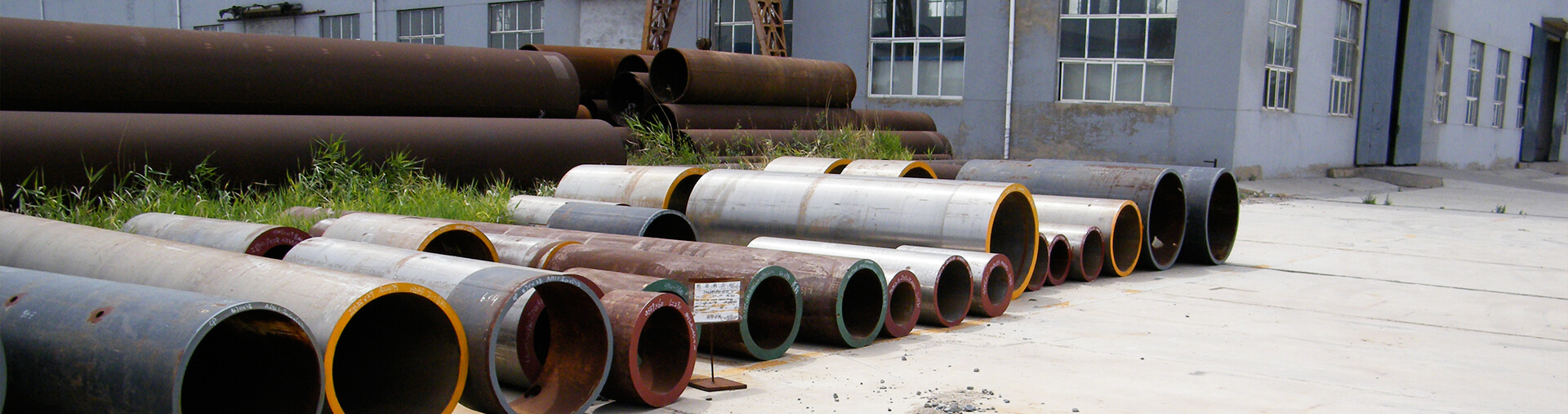
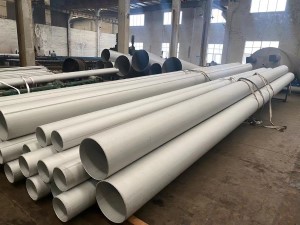
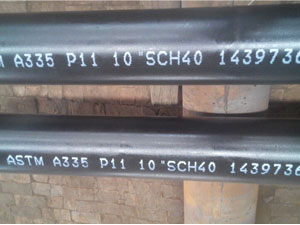
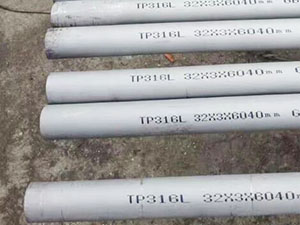
ASME B36.10-2022 is the current edition of the foundational standard governing the dimensional characteristics of welded and seamless wrought steel pipe. Published by the American Society of Mechanical Engineers, it covers carbon steel, alloy steel, and ferritic alloy pipes from NPS 1/8 (DN 6) through NPS 48 (DN 1200). Every pipe supplied for industrial piping systems — whether in refineries, chemical plants, power generation, or offshore platforms — references this standard for its outside diameter, wall thickness schedule, and theoretical weight per unit length.
The standard defines 22 different schedules across its size range, though not every schedule is available for every NPS. The most commonly specified schedules in procurement are Sch 40 (also designated STD for NPS 1/8 through NPS 10), Sch 80 (also designated XS for NPS 1/8 through NPS 8), Sch 160, and Sch XXS. For NPS 12 and above, Sch 40 and Sch STD diverge — an important detail that frequently trips up new engineers.
NPS to DN to Outside Diameter – Quick Reference
One of the first things to memorize with ASME B36.10: for NPS 1/8 through NPS 12, the nominal size does not equal the actual outside diameter. Only from NPS 14 upward does the NPS number match the OD in inches. The table below covers every size defined by the standard.
| NPS (in) |
DN (mm) |
OD (in) |
OD (mm) |
| 1/8 |
6 |
0.405 |
10.3 |
| 1/4 |
8 |
0.540 |
13.7 |
| 3/8 |
10 |
0.675 |
17.1 |
| 1/2 |
15 |
0.840 |
21.3 |
| 3/4 |
20 |
1.050 |
26.7 |
| 1 |
25 |
1.315 |
33.4 |
| 1 1/4 |
32 |
1.660 |
42.2 |
| 1 1/2 |
40 |
1.900 |
48.3 |
| 2 |
50 |
2.375 |
60.3 |
| 2 1/2 |
65 |
2.875 |
73.0 |
| 3 |
80 |
3.500 |
88.9 |
| 3 1/2 |
90 |
4.000 |
101.6 |
| 4 |
100 |
4.500 |
114.3 |
| 5 |
125 |
5.563 |
141.3 |
| 6 |
150 |
6.625 |
168.3 |
| 8 |
200 |
8.625 |
219.1 |
| 10 |
250 |
10.750 |
273.1 |
| 12 |
300 |
12.750 |
323.9 |
| 14 |
350 |
14.000 |
355.6 |
| 16 |
400 |
16.000 |
406.4 |
| 18 |
450 |
18.000 |
457.2 |
| 20 |
500 |
20.000 |
508.0 |
| 22 |
550 |
22.000 |
558.8 |
| 24 |
600 |
24.000 |
609.6 |
| 26 |
650 |
26.000 |
660.4 |
| 28 |
700 |
28.000 |
711.2 |
| 30 |
750 |
30.000 |
762.0 |
| 32 |
800 |
32.000 |
812.8 |
| 34 |
850 |
34.000 |
863.6 |
| 36 |
900 |
36.000 |
914.4 |
| 40 |
1000 |
40.000 |
1016.0 |
| 42 |
1050 |
42.000 |
1066.8 |
| 48 |
1200 |
48.000 |
1219.2 |
Small Bore Pipe Dimensions – NPS 1/2 through NPS 2
Small bore pipes are the workhorses of utility systems: instrument air, sampling lines, drain piping, and branch connections. The table below covers the five most common schedules for this range, with wall thickness in millimeters and weight in kilograms per meter. Carbon steel pipe dimensions in this range use a constant OD per NPS regardless of schedule — only the wall thickness changes.
| NPS |
DN |
OD (mm) |
Schedule |
Wall (mm) |
Weight (kg/m) |
| 1/2 |
15 |
21.3 |
Sch 5 |
1.65 |
0.80 |
| 1/2 |
15 |
21.3 |
Sch 10 |
2.11 |
1.00 |
| 1/2 |
15 |
21.3 |
Sch 40 / STD |
2.77 |
1.27 |
| 1/2 |
15 |
21.3 |
Sch 80 / XS |
3.73 |
1.62 |
| 1/2 |
15 |
21.3 |
Sch 160 |
4.78 |
1.95 |
| 3/4 |
20 |
26.7 |
Sch 5 |
1.65 |
1.02 |
| 3/4 |
20 |
26.7 |
Sch 10 |
2.11 |
1.28 |
| 3/4 |
20 |
26.7 |
Sch 40 / STD |
2.87 |
1.69 |
| 3/4 |
20 |
26.7 |
Sch 80 / XS |
3.91 |
2.20 |
| 3/4 |
20 |
26.7 |
Sch 160 |
5.56 |
2.90 |
| 1 |
25 |
33.4 |
Sch 5 |
1.65 |
1.29 |
| 1 |
25 |
33.4 |
Sch 10 |
2.77 |
2.09 |
| 1 |
25 |
33.4 |
Sch 40 / STD |
3.38 |
2.50 |
| 1 |
25 |
33.4 |
Sch 80 / XS |
4.55 |
3.24 |
| 1 1/4 |
32 |
42.2 |
Sch 40 / STD |
3.56 |
3.39 |
| 1 1/4 |
32 |
42.2 |
Sch 80 / XS |
4.85 |
4.47 |
| 1 1/2 |
40 |
48.3 |
Sch 10 |
2.77 |
3.11 |
| 1 1/2 |
40 |
48.3 |
Sch 40 / STD |
3.68 |
4.05 |
| 1 1/2 |
40 |
48.3 |
Sch 80 / XS |
5.08 |
5.41 |
| 2 |
50 |
60.3 |
Sch 10 |
2.77 |
3.93 |
| 2 |
50 |
60.3 |
Sch 40 / STD |
3.91 |
5.44 |
| 2 |
50 |
60.3 |
Sch 80 / XS |
5.54 |
7.48 |
| 2 |
50 |
60.3 |
Sch 160 |
8.74 |
11.11 |
Medium Bore Pipe Dimensions – NPS 2 1/2 through NPS 6
Medium bore pipe covers the range most frequently seen in process piping: NPS 2 1/2 through NPS 6. These sizes carry the bulk of process fluids in refineries and chemical plants. At this range, Sch 40/STD and Sch 80/XS remain the default specifications, but Sch 160 and Sch XXS also come into play for high-pressure applications like boiler blowdown and hydraulic systems.
| NPS |
DN |
OD (mm) |
Schedule |
Wall (mm) |
Weight (kg/m) |
| 2 1/2 |
65 |
73.0 |
Sch 10 |
3.05 |
5.26 |
| 2 1/2 |
65 |
73.0 |
Sch 40 / STD |
5.16 |
8.63 |
| 2 1/2 |
65 |
73.0 |
Sch 80 / XS |
7.01 |
11.41 |
| 2 1/2 |
65 |
73.0 |
Sch 160 |
9.53 |
14.92 |
| 3 |
80 |
88.9 |
Sch 10 |
3.05 |
6.45 |
| 3 |
80 |
88.9 |
Sch 40 / STD |
5.49 |
11.29 |
| 3 |
80 |
88.9 |
Sch 80 / XS |
7.62 |
15.27 |
| 3 |
80 |
88.9 |
Sch 160 |
11.13 |
21.35 |
| 4 |
100 |
114.3 |
Sch 10 |
3.05 |
8.36 |
| 4 |
100 |
114.3 |
Sch 40 / STD |
6.02 |
16.07 |
| 4 |
100 |
114.3 |
Sch 80 / XS |
8.56 |
22.32 |
| 4 |
100 |
114.3 |
Sch 160 |
13.49 |
33.54 |
| 5 |
125 |
141.3 |
Sch 40 / STD |
6.55 |
21.77 |
| 5 |
125 |
141.3 |
Sch 80 / XS |
9.53 |
30.97 |
| 5 |
125 |
141.3 |
Sch 160 |
19.05 |
57.43 |
| 6 |
150 |
168.3 |
Sch 10 |
3.40 |
13.84 |
| 6 |
150 |
168.3 |
Sch 40 / STD |
7.11 |
28.26 |
| 6 |
150 |
168.3 |
Sch 80 / XS |
10.97 |
42.56 |
| 6 |
150 |
168.3 |
Sch 160 |
18.26 |
67.56 |
Large Bore Pipe Dimensions – NPS 8 through NPS 24
Large bore piping is where the full schedule range becomes available. From NPS 8 upward, you can specify Sch 20, Sch 30, Sch 60, Sch 100, Sch 120, and Sch 140 — options that do not exist at smaller diameters. This is the range where weight differences between schedules become significant for structural support and cost estimation. For example, an NPS 24 Sch 160 pipe weighs over 800 kg per meter — a full order of magnitude heavier than a Sch 10 pipe of the same diameter.
Note the divergence of STD and Sch 40 in this range. For NPS 12, Sch STD has a wall thickness of 9.53 mm while Sch 40 is 10.31 mm. Always check the project piping class specification rather than assuming these are interchangeable.
| NPS |
DN |
OD (mm) |
Sch 10 |
Sch 20 |
Sch STD |
Sch 40 |
Sch XS |
Sch 80 |
Sch 160 |
| Wall (mm) / Weight (kg/m) |
Wall / Wt |
Wall / Wt |
Wall / Wt |
Wall / Wt |
Wall / Wt |
Wall / Wt |
Wall / Wt |
| 8 |
200 |
219.1 |
3.76 / 19.96 |
6.35 / 33.31 |
8.18 / 42.55 |
8.18 / 42.55 |
12.70 / 64.64 |
12.70 / 64.64 |
23.01 / 111.3 |
| 10 |
250 |
273.1 |
4.19 / 27.78 |
6.35 / 41.77 |
9.27 / 60.31 |
9.27 / 60.31 |
12.70 / 81.55 |
15.09 / 96.01 |
28.58 / 172.3 |
| 12 |
300 |
323.9 |
4.57 / 36.00 |
6.35 / 49.73 |
9.53 / 73.88 |
10.31 / 79.73 |
12.70 / 97.46 |
17.48 / 132.1 |
33.32 / 238.8 |
| 14 |
350 |
355.6 |
6.35 / 54.69 |
7.92 / 67.90 |
9.53 / 81.33 |
11.13 / 94.55 |
12.70 / 107.4 |
19.05 / 158.1 |
35.71 / 281.7 |
| 16 |
400 |
406.4 |
6.35 / 62.64 |
7.92 / 77.83 |
9.53 / 93.27 |
12.70 / 123.3 |
12.70 / 123.3 |
21.44 / 203.5 |
40.49 / 365.4 |
| 18 |
450 |
457.2 |
6.35 / 70.57 |
7.92 / 87.71 |
9.53 / 105.2 |
14.27 / 155.8 |
12.70 / 139.2 |
23.83 / 254.6 |
45.24 / 459.4 |
| 20 |
500 |
508.0 |
6.35 / 78.55 |
9.53 / 117.2 |
9.53 / 117.2 |
15.09 / 183.4 |
12.70 / 155.1 |
26.19 / 311.2 |
50.01 / 564.8 |
| 24 |
600 |
609.6 |
6.35 / 94.53 |
9.53 / 141.1 |
9.53 / 141.1 |
17.48 / 255.4 |
12.70 / 187.1 |
30.96 / 442.1 |
59.54 / 808.2 |
ASME B36.10 Schedule Designations Explained
The schedule system replaced the older weight-based designation (Standard, Extra Strong, Double Extra Strong) starting in the 1930s, but you still see both on procurement documents and piping isometrics. Here is how they map:
| Schedule |
Legacy Designation |
Typical Applications |
| Sch 5 / 5S |
— |
Low-pressure air, gravity drainage, ventilation ducting |
| Sch 10 / 10S |
— |
Low-pressure process piping, cooling water, fire protection branch lines |
| Sch 20 |
— |
Large diameter low-pressure, structural pipe, piling |
| Sch 30 |
— |
Utility water, non-critical services, moderate pressure |
| Sch 40 |
Standard (STD) |
General process piping, steam, compressed air, water — the default for most industrial services |
| Sch 80 |
Extra Strong (XS) |
Higher pressure process, steam condensate, hydraulic lines, threaded connections |
| Sch 160 |
— |
High-pressure process, boiler feedwater, hydraulic systems, instrument tubing |
| Sch XXS |
Double Extra Strong |
Extreme pressure, high-temperature superheated steam, special applications |
Pipe Material Grades Covered by ASME B36.10
The standard itself does not specify material chemistry — that falls under ASTM specifications. However, ASME B36.10 dimensions apply to pipe manufactured to the following material standards:
| ASTM Standard |
Material Type |
Common Grades |
Service Temperature Range |
| ASTM A53 |
Carbon Steel Pipe (Welded & Seamless) |
Gr. A, Gr. B |
-29 to 427 °C |
| ASTM A106 |
Carbon Steel Pipe (Seamless) |
Gr. A, Gr. B, Gr. C |
-29 to 427 °C |
| ASTM A333 |
Low-Temperature Carbon Steel |
Gr. 1, Gr. 3, Gr. 6 |
-46 to 345 °C |
| ASTM A335 |
Alloy Steel Pipe (Seamless) |
P5, P9, P11, P22, P91 |
Up to 650 °C |
| API 5L |
Line Pipe |
Gr. B, X42, X52, X60, X70 |
-29 to 232 °C |
For stainless steel pipe dimensions, refer to ASME B36.19. HT PIPE supplies carbon steel, alloy steel, and stainless steel pipes to both ASME B36.10 and ASME B36.19 dimensional requirements across all common material grades.
Frequently Asked Questions
What is the difference between NPS and actual OD?
For NPS 1/8 through NPS 12, the nominal size is a label — it does not represent the pipe's actual outside diameter. For example, NPS 2 pipe has an actual OD of 60.3 mm (2.375 inches), not 50.8 mm (2 inches). From NPS 14 and above, the NPS number matches the actual OD in inches: NPS 14 = 14.000 inches OD.
Why do STD and Sch 40 have different wall thicknesses for NPS 12 and above?
This comes from the historical transition from weight-based to schedule-based designations. For sizes up to NPS 10, the Standard weight classification happened to match Sch 40 wall thickness. But from NPS 12 upward, Sch 40 is slightly thicker than STD. The same pattern occurs with XS and Sch 80: they match through NPS 8, then diverge at NPS 10 and above.
Does ASME B36.10 specify material chemistry?
No. ASME B36.10 only standardizes dimensional characteristics — outside diameter, wall thickness, and weight. Material chemistry and mechanical properties come from the applicable ASTM or API material specification. A pipe can be dimensionally compliant with B36.10 yet be manufactured from any wrought steel grade that meets the project's material requirements.
How is pipe weight calculated in B36.10?
The theoretical weight in the standard uses a steel density of 7,850 kg/m³ (490 lb/ft³). The formula is: Weight (kg/m) = (OD - t) × t × 0.02466, where OD and wall thickness t are in millimeters. Actual as-manufactured weight will vary within the mill tolerance of ±12.5% on wall thickness.
Need carbon steel or alloy steel pipe to ASME B36.10? HT PIPE supplies welded and seamless pipe from NPS 1/8 through NPS 48 in ASTM A53, A106, A333, A335, and API 5L grades. Contact our sales team with your material specification and quantity for a quotation. info@htpipe.com