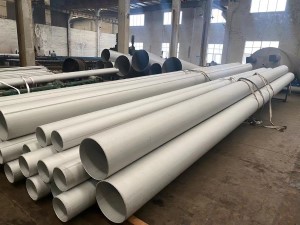
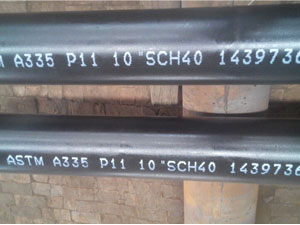
Quick Answer: ASTM A106 = seamless carbon steel pipe for high-temperature service (boilers, superheaters). ASTM A53 = general-purpose carbon steel pipe (seamless or welded) for water, gas, and steam. API 5L = line pipe for oil and gas transmission with multiple strength grades and enhanced toughness requirements.
Choosing the right carbon steel pipe standard is critical for project safety, regulatory compliance, and cost efficiency. This comparison from HT PIPE breaks down the key differences between ASTM A106, A53, and API 5L — helping engineers, procurement teams, and project managers make informed decisions.
1. Scope & Definition
| Standard |
Full Title |
Primary Purpose |
Pipe Types Covered |
| ASTM A106 |
Standard Specification for Seamless Carbon Steel Pipe for High-Temperature Service |
High-temperature service: boilers, superheaters, process piping |
Seamless only |
| ASTM A53 |
Standard Specification for Pipe, Steel, Black and Hot-Dipped, Zinc-Coated Welded and Seamless |
General-purpose: water, gas, steam conveyance, mechanical applications |
Type S (Seamless), Type E (ERW), Type F (Furnace butt welded) |
| API 5L |
Specification for Line Pipe |
Oil and gas pipeline transmission |
Seamless, SAW, ERW, and other welded processes |
Key Insight: A106 is the most restrictive (seamless only, high-temp). A53 is the most versatile (covers all three pipe types for general use). API 5L is purpose-built for pipeline transmission with a wider grade range and two product specification levels (PSL1 and PSL2).
2. Manufacturing Process Comparison
| Attribute |
ASTM A106 |
ASTM A53 |
API 5L |
| Seamless |
Yes — required |
Yes — Type S |
Yes |
| ERW (Electric Resistance Welded) |
Not permitted |
Yes — Type E |
Yes |
| SAW (Submerged Arc Welded) |
Not permitted |
Not permitted |
Yes (longitudinal & helical) |
| Furnace Butt Welded |
Not permitted |
Yes — Type F (limited sizes) |
Not typically covered |
| Heat Treatment |
Optional per specification |
Not required (Type F excluded) |
Controlled rolling, normalizing, quenching & tempering per grade/PSL |
| Weld Seam Treatment |
N/A (seamless) |
Type E weld seam may require expansion |
Weld seam heat treatment required per PSL2 |
HT PIPE manufactures and supplies all three pipe types across these standards, ensuring each product meets the specific manufacturing process requirements of the applicable specification.
3. Mechanical Properties Comparison
| Standard / Grade |
Tensile Strength (MPa) |
Yield Strength (MPa) |
Notes |
| A106 Gr.B |
≥ 415 (60 ksi) |
≥ 240 (35 ksi) |
Seamless only; high-temp design |
| A53 Gr.B |
≥ 415 (60 ksi) |
≥ 240 (35 ksi) |
Same min values; Type S/E/F available |
| API 5L Gr.B |
≥ 415 (60 ksi) |
≥ 240 (35 ksi) |
Base line pipe grade |
| API 5L X42 |
≥ 415 |
≥ 290 (42 ksi) |
Medium-strength line pipe |
| API 5L X46 |
≥ 415 |
≥ 317 (46 ksi) |
|
| API 5L X52 |
≥ 455 |
≥ 358 (52 ksi) |
|
| API 5L X56 |
≥ 489 |
≥ 386 (56 ksi) |
|
| API 5L X60 |
≥ 517 |
≥ 414 (60 ksi) |
|
| API 5L X65 |
≥ 531 |
≥ 448 (65 ksi) |
Common for major pipelines |
| API 5L X70 |
≥ 565 |
≥ 483 (70 ksi) |
High-strength pipeline grade |
| API 5L X80 |
≥ 621 |
≥ 552 (80 ksi) |
Advanced pipeline applications |
HT PIPE Note: While A106 and A53 Grade B share identical minimum tensile and yield values, the underlying manufacturing controls differ significantly. API 5L progressively increases strength from Gr.B through X80, enabling thinner walls and longer spans for pipeline projects. HT PIPE can supply all these grades with full mill test certificates.
4. Testing Requirements Comparison
| Test / Requirement |
ASTM A106 |
ASTM A53 |
API 5L |
| Hydrostatic Test |
Required (each pipe) |
Required (each pipe) or non-destructive ED |
Required per PSL; NDE alternative for PSL2 |
| Tensile Test (Transverse) |
Required for sizes ≥ 8" NPS |
Not required for Type F |
Required; transverse for welded ≥ 12" |
| Flattening Test |
Required |
Required for Type S and Type E |
Not standard (ring expansion may apply) |
| Bend Test |
Required for sizes ≤ 2" NPS |
Required for Type F |
Required for certain sizes/PSL |
| Charpy Impact Test |
Not required by base spec |
Not required by base spec |
Required for PSL2 (mandatory); temperature per grade |
| Nondestructive Examination |
Optional (UT or EM per agreement) |
Optional (ED as hydrostatic alternative) |
Mandatory for PSL2 (UT + radiographic for weld seam) |
| Chemical Analysis |
Heat analysis required |
Heat analysis required |
Heat + product analysis per PSL2 |
| Traceability |
Heat number identification |
Heat number identification |
Full heat-lot traceability required for PSL2 |
API 5L PSL2 has the most stringent testing regime, with mandatory Charpy impact testing, enhanced NDE, and full traceability — reflecting the critical nature of pipeline service. HT PIPE ensures all products are tested to the full requirements of their respective standards.
5. Application Recommendations by Industry
| Industry / Application |
Recommended Standard |
Reason |
| Power generation (boilers, superheaters) |
A106 Gr.B |
Designed for high-temperature service; seamless ensures reliability under thermal stress |
| Petrochemical process piping |
A106 Gr.B or A53 Gr.B Type S |
High-temp or moderate-temp service; seamless preferred for process integrity |
| Water/gas distribution (municipal) |
A53 Gr.B Type E |
Cost-effective welded option acceptable for low-pressure conveyance |
| Structural / mechanical (piling, scaffolding) |
A53 Type E or F |
General-purpose; welded types offer lower cost |
| Oil & gas transmission pipeline |
API 5L (X42–X70, PSL2) |
Purpose-built for pipeline; enhanced toughness and NDE requirements |
| Subsea / offshore pipeline |
API 5L X65/X70 PSL2 |
High-strength, mandatory impact testing, enhanced NDE for critical service |
| Fire protection sprinkler systems |
A53 Type E (galvanized) |
Cost-effective, galvanized for corrosion resistance |
6. Selection Guide
How to choose between A106, A53, and API 5L?
- Need high-temperature service? → A106 (seamless, designed for boilers and superheaters)
- Need general-purpose pipe at lower cost? → A53 (seamless or welded options available)
- Need oil/gas pipeline transmission? → API 5L (industry standard, multiple grades, PSL1/PSL2)
- Need both high-temp and pipeline? → Use A106 for in-plant high-temp piping + API 5L for transmission lines
- Regulatory requirement specified? → Always follow the governing code (ASME B31.1, B31.3, B31.4, B31.8)
Decision Flowchart
- Is it a pipeline for oil/gas transmission? → Yes: Use API 5L. No: Continue.
- Is operating temperature above ~200°C (high-temp service)? → Yes: Use A106. No: Continue.
- Is seamless pipe required by code or preference? → Yes: A106 or A53 Type S. No: A53 Type E/F (cost savings).
- Is galvanized coating needed? → A53 (hot-dipped galvanized option available).
When in doubt, HT PIPE's technical team can help you evaluate your project requirements and recommend the most suitable standard. Contact us for expert guidance.
7. HT PIPE Supply Note
HT PIPE is a professional B2B exporter of carbon steel pipe, fittings, and flanges with extensive experience across ASTM A106, A53, and API 5L specifications. Our supply capabilities include:
- A106 seamless pipe: Full range from 1/2" to 24" NPS, Schedule 10–160, Grades A & B
- A53 pipe: Type S, Type E, and Type F; black and galvanized options
- API 5L line pipe: Gr.B through X80, PSL1 and PSL2, seamless and welded
- All products with mill test certificates (MTC) per EN 10204 3.1/3.2
- Third-party inspection available (SGS, BV, TUV, Lloyd's)
- Global export to over 50 countries with competitive pricing and reliable delivery
8. Frequently Asked Questions
What is the difference between A106 and A53?
ASTM A106 is specifically for seamless carbon steel pipe intended for high-temperature service, such as boilers and superheaters. ASTM A53 covers both seamless and welded carbon steel pipe for general-purpose applications like water, gas, and steam conveyance. A106 has stricter chemical composition and testing requirements, while A53 allows welded manufacturing (ERW and furnace butt welded) and has broader but less stringent specifications.
What is API 5L used for?
API 5L is the specification for line pipe used in the transportation of oil, natural gas, and other fluids in the petroleum and natural gas industries. It covers both seamless and welded pipe types and includes multiple grade levels (Gr.B through X80) with two product specification levels (PSL1 and PSL2) that address varying requirements for toughness, testing, and quality control.
Which pipe standard for high temperature?
ASTM A106 is the primary standard for high-temperature service applications. Its seamless-only manufacturing and tighter chemical composition controls make it suitable for boiler tubes, superheaters, and process piping operating at elevated temperatures. A53 may be used for moderate temperature steam service, but A106 is preferred when temperatures exceed typical process conditions.
Is A53 seamless or welded?
ASTM A53 covers three pipe types: Type S (seamless), Type E (electric-resistance welded / ERW), and Type F (furnace butt welded). This means A53 pipe can be either seamless or welded depending on the type designation. Type S is seamless, Type E is ERW welded, and Type F is the lowest-cost furnace butt welded option limited to smaller diameters.
A106 vs API 5L for oil and gas?
For oil and gas pipeline transmission, API 5L is the industry-standard specification and is typically required by pipeline codes and regulations. A106 is designed for high-temperature process piping within refineries and petrochemical plants, not for long-distance pipeline service. API 5L offers a broader range of grades (B through X80) with enhanced toughness requirements (especially PSL2), making it the correct choice for oil and gas line pipe applications.
9. Request a Quote
Need Carbon Steel Pipe? Get a Quote from HT PIPE
Whether you need A106 seamless pipe, A53 general-purpose pipe, or API 5L line pipe — HT PIPE has the inventory, expertise, and global logistics to deliver.
Send your specifications and receive a competitive quote within 24 hours.
Request a Quote →
10. Related Resources